Impact of Severe Male Factor Infertility on In Vitro Fertilization-Intracytoplasmic Sperm Injection Outcomes: A Retrospective Cohort Study
DOI:
https://doi.org/10.14740/jcgo1548Keywords:
Severe male infertility, IVF-ICSI, Azoospermia, Oligoasthenoteratozoospermia, Surgical sperm retrieval, Clinical pregnancy rateAbstract
Background: Severe male factor infertility presents challenges in assisted reproductive technology (ART). This study evaluated whether severe male factor infertility impacts clinical pregnancy outcomes following in vitro fertilization-intracytoplasmic sperm injection (IVF-ICSI) compared to non-male factor cases.
Methods: In this retrospective cohort study at the Department of Reproductive Medicine and Surgery, SAT Hospital, Government Medical College, Thiruvananthapuram, couples undergoing IVF-ICSI between January 2017 and December 2020 were divided into severe male factor (group 1, n = 51) and non-male factor (group 2, n = 51) groups, matched for female age, body mass index, and ovarian reserve. Outcomes compared included clinical pregnancy rates (CPRs) based on sperm source (ejaculated vs. surgically retrieved) and male factor type (severe oligoasthenoteratozoospermia vs. azoospermia). Statistical analysis utilized univariate and multivariate logistic regression.
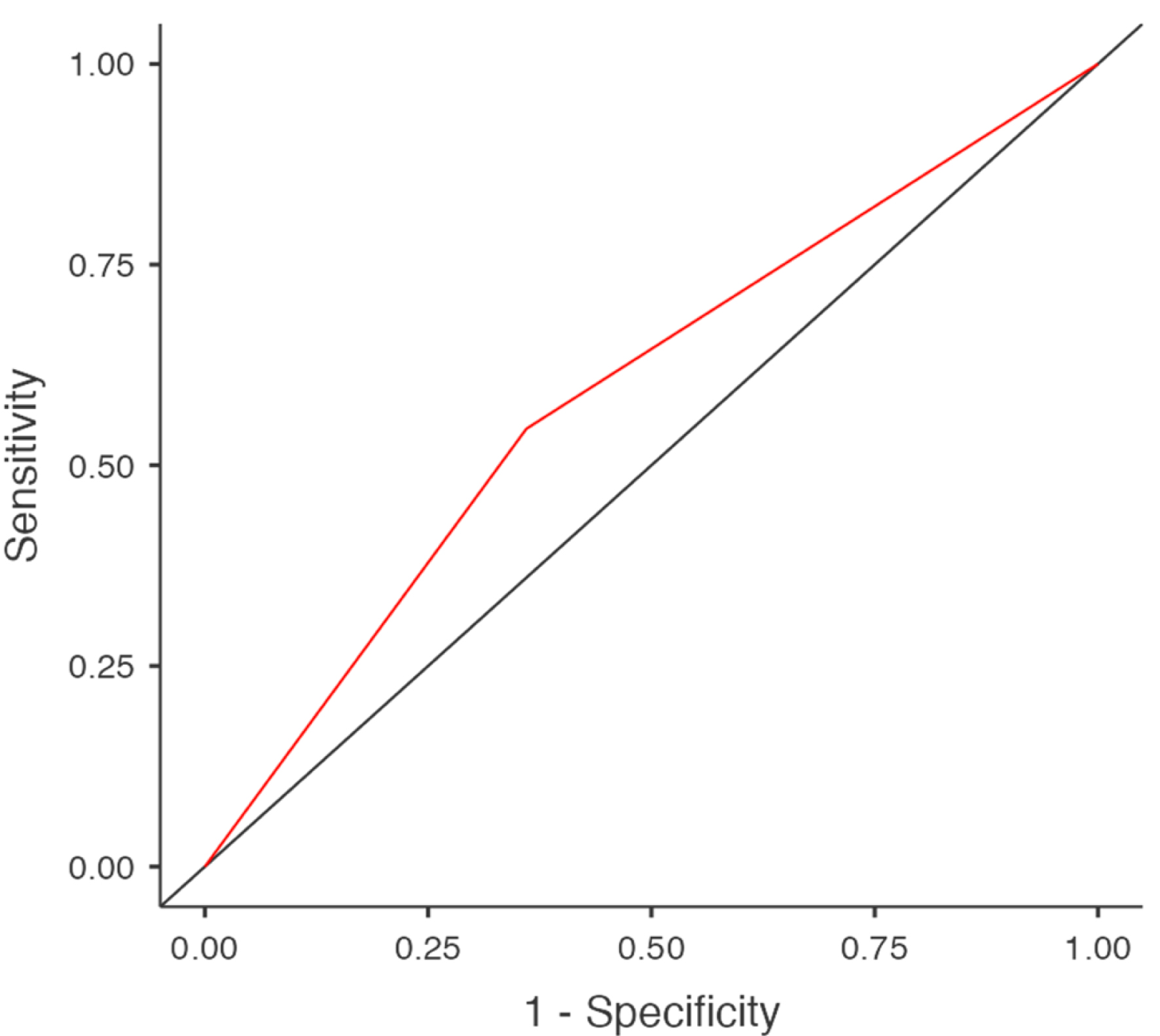
Results: The overall CPR was 75.5%. Group 1 (severe male factor) achieved a CPR of 68.6%, while group 2 (non-male factor) achieved 82.4%, a difference that was not statistically significant (P = 0.107). Within group 1, no significant differences were found between outcomes using ejaculated versus surgically retrieved sperm (P = 0.393). Logistic regression showed lower odds of pregnancy with severe male factor infertility (odds ratio 0.469, 95% confidence interval: 0.185 - 1.190), but this was not statistically significant (P = 0.111).
Conclusion: Severe male factor infertility, including cases requiring surgical sperm retrieval, does not significantly compromise CPRs in IVF-ICSI cycles when female factors and treatment protocols are optimized.
Published
Issue
Section
License
Copyright (c) 2025 The authors

This work is licensed under a Creative Commons Attribution-NonCommercial 4.0 International License.