

Serum Lactate Dehydrogenase Levels as a Prognostic Marker for Maternal and Neonatal Outcomes in Hypertensive Pregnancy Complication: A Systematic Review and Meta-Analysis
DOI:
https://doi.org/10.14740/jcgo1604Keywords:
Lactate dehydrogenase, Hypertensive, Maternal outcome, Neonatal outcomeAbstract
Background: Hypertensive disorders of pregnancy (HDP) are among the leading causes of maternal and perinatal morbidity and mortality worldwide. Given their sudden and acute onset, early diagnosis remains challenging. Elevated serum lactate dehydrogenase (LDH) levels are thought to reflect endothelial dysfunction, the central mechanism of preeclampsia, and may serve as a predictive marker for at-risk pregnancies.
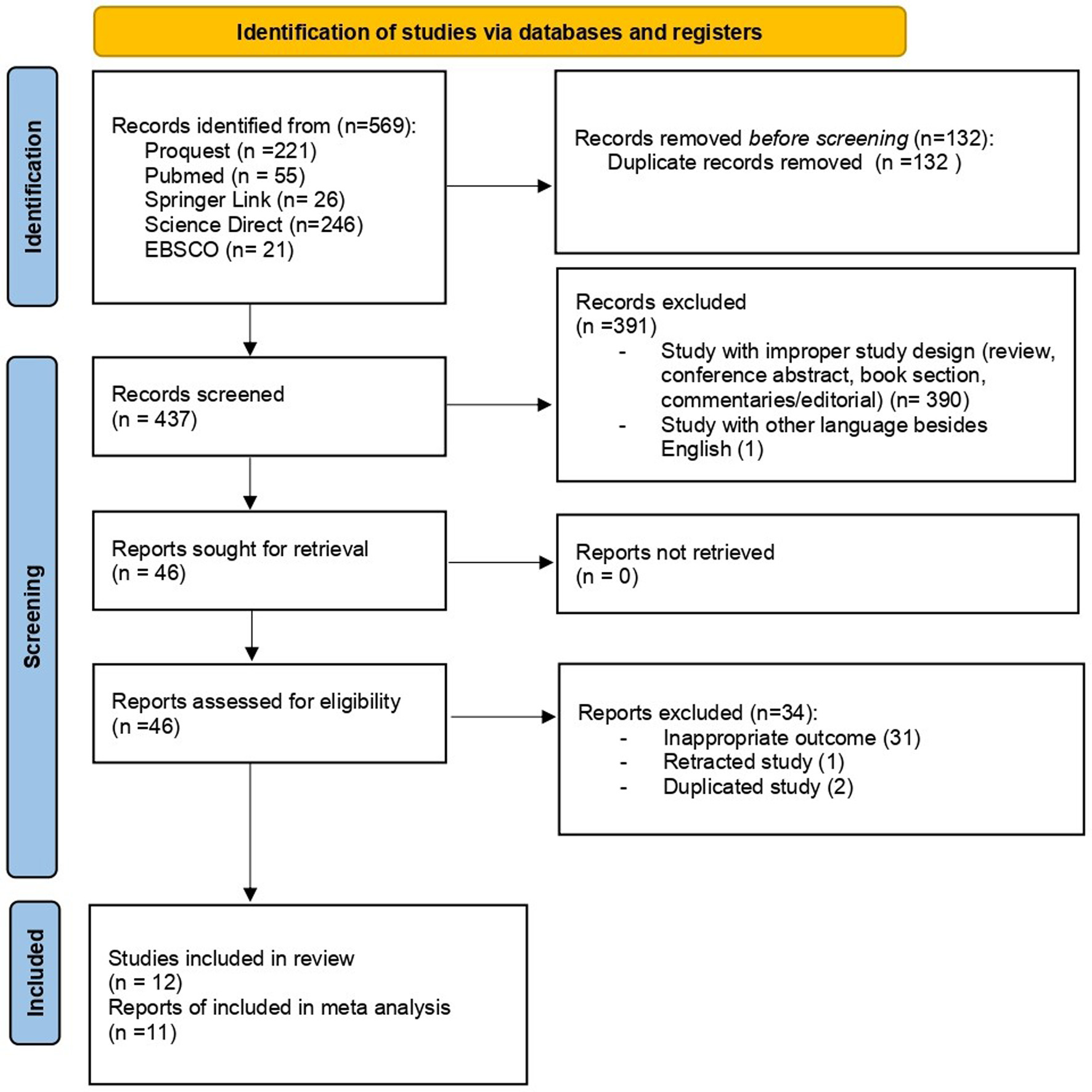
Methods: A literature search identified studies published between 2015 and 2025 across ProQuest, PubMed, Springer Link, Science Direct, and EBSCO. This review included cohort and case–control studies examining serum LDH as a prognostic marker of maternal and neonatal outcomes in hypertensive pregnancy. Review Manager version 5.4 was used to pool data, comparing participants with serum LDH < 600 IU/L versus ≥ 600 IU/L.
Results: Twelve studies were included for systematic review and 11 for meta-analysis. Serum LDH levels were significantly associated with poor maternal outcomes, including placental abruption, eclampsia and fetal growth restriction (FGR), also with poor neonatal outcomes including low birth weight, IUFD and NICU admission. Across the included studies, elevated LDH levels (≥ 600 IU/L) consistently correlated with severe maternal complications and poor neonatal outcomes, supporting LDH as a marker of cellular injury and endothelial dysfunction that reflects disease severity. Early identification of elevated LDH may prompt closer surveillance and timely intervention.
Conclusion: Elevated maternal LDH levels (≥ 600 IU/L) are significantly associated with adverse maternal and neonatal outcomes in HDP, serving as a simple biochemical marker of disease severity and prognosis.
Published
Issue
Section
License
Copyright (c) 2026 The authors

This work is licensed under a Creative Commons Attribution 4.0 International License.