

Rethinking Treatment Options in Lumbosacral Endometriosis: Positive Outcomes With Hormonal Therapy in Four Cases
DOI:
https://doi.org/10.14740/jcgo1607Keywords:
Lumbosacral endometriosis, Sacral endometriosis, Deep infiltrating endometriosis, Hormonal therapy, Medical management, Non-surgical treatment, Pain reduction, Chronic painAbstract
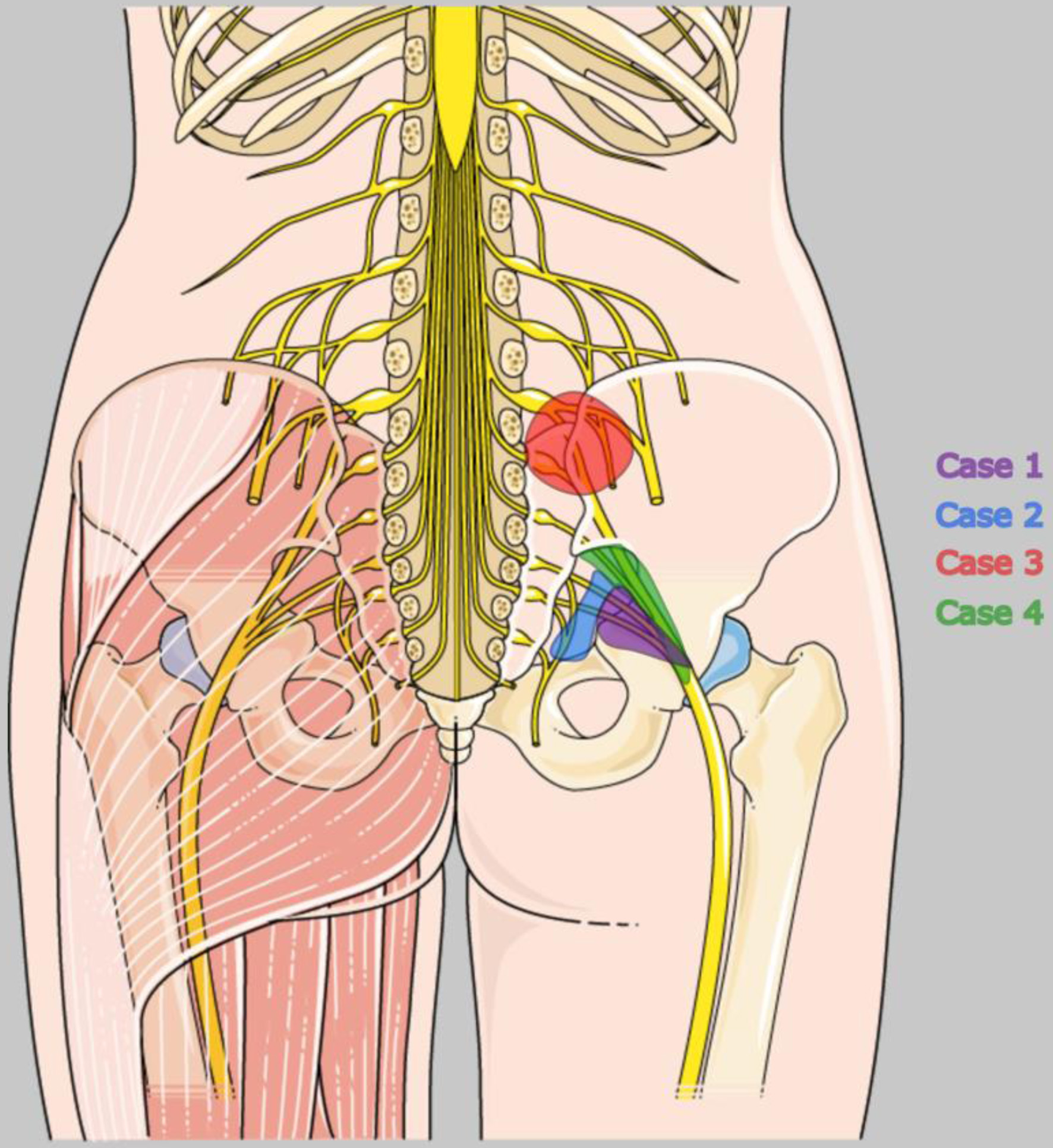
Neural endometriosis can be a rare form of deep infiltrating endometriosis (DIE) involving the plexus lumbosacralis, often causing neuropathic pain and pelvic organ dysfunction. Traditionally, surgical excision has been the primary treatment approach; however, hormonal therapy is gaining preference due to its lower morbidity. This study aims to assess the effectiveness of hormonal therapy for this condition. This retrospective case series included four women treated at the Endometriosis Center Charite, all of whom had imaging- or histologically confirmed lumbosacral endometriosis. The patients received either hormonal therapy alone or a combination of hormonal therapy and surgery. Symptom progression was evaluated from clinical records and classified using a four-point symptom severity scale for pain, organ dysfunction, and mobility. Outcomes were illustrated using heat maps to compare symptom severity before and after treatment. Four patients with imaging- or histologically confirmed lumbosacral endometriosis were included in this case series. All four patients received hormonal therapy. Two of the patients were treated exclusively with uninterrupted hormonal treatment and did not undergo surgery; both experienced significant symptom relief and achieved full functional recovery. The other two patients required surgical intervention due to severe disease manifestations, which included motor deficits or organ obstruction. Although surgery resulted in pain reduction, their neurological recovery was incomplete, and they continued to experience persistent motor or sensory deficits. In both cases, ongoing postoperative hormonal therapy led to further improvement in their symptoms. The most favorable outcomes were observed in the two patients who received uninterrupted hormonal treatment without surgery, both of whom achieved full functional recovery. In this case series, hormonal therapy effectively alleviated symptoms of lumbosacral endometriosis, often with fewer complications than surgery. Surgical intervention may be required when nerve compression causes motor impairment or if hormonal therapy fails. Early and ongoing hormonal treatment seems to be a safe and effective approach for reducing pain and organ-related dysfunction while maintaining quality of life.
Published
Issue
Section
License
Copyright (c) 2026 The authors

This work is licensed under a Creative Commons Attribution 4.0 International License.