

Does Office Hysteroscopy Add Value in Polycystic Ovary Syndrome Patients With Normal Transvaginal Ultrasound Findings?
DOI:
https://doi.org/10.14740/jcgo1662Keywords:
Polycystic ovary syndrome, Unexplained infertility, Hysteroscopy, Histopathology, EndometriumAbstract
Background: This cross-sectional study evaluated the utility of office hysteroscopy in infertile women with polycystic ovary syndrome (PCOS) and normal transvaginal ultrasonography (TVS), compared with unexplained infertility (UI).
Methods: Between December 2021 and December 2024, 150 women were enrolled: 100 with PCOS and 50 with UI. All underwent clinical and hormonal assessment, office hysteroscopy, and endometrial sampling.
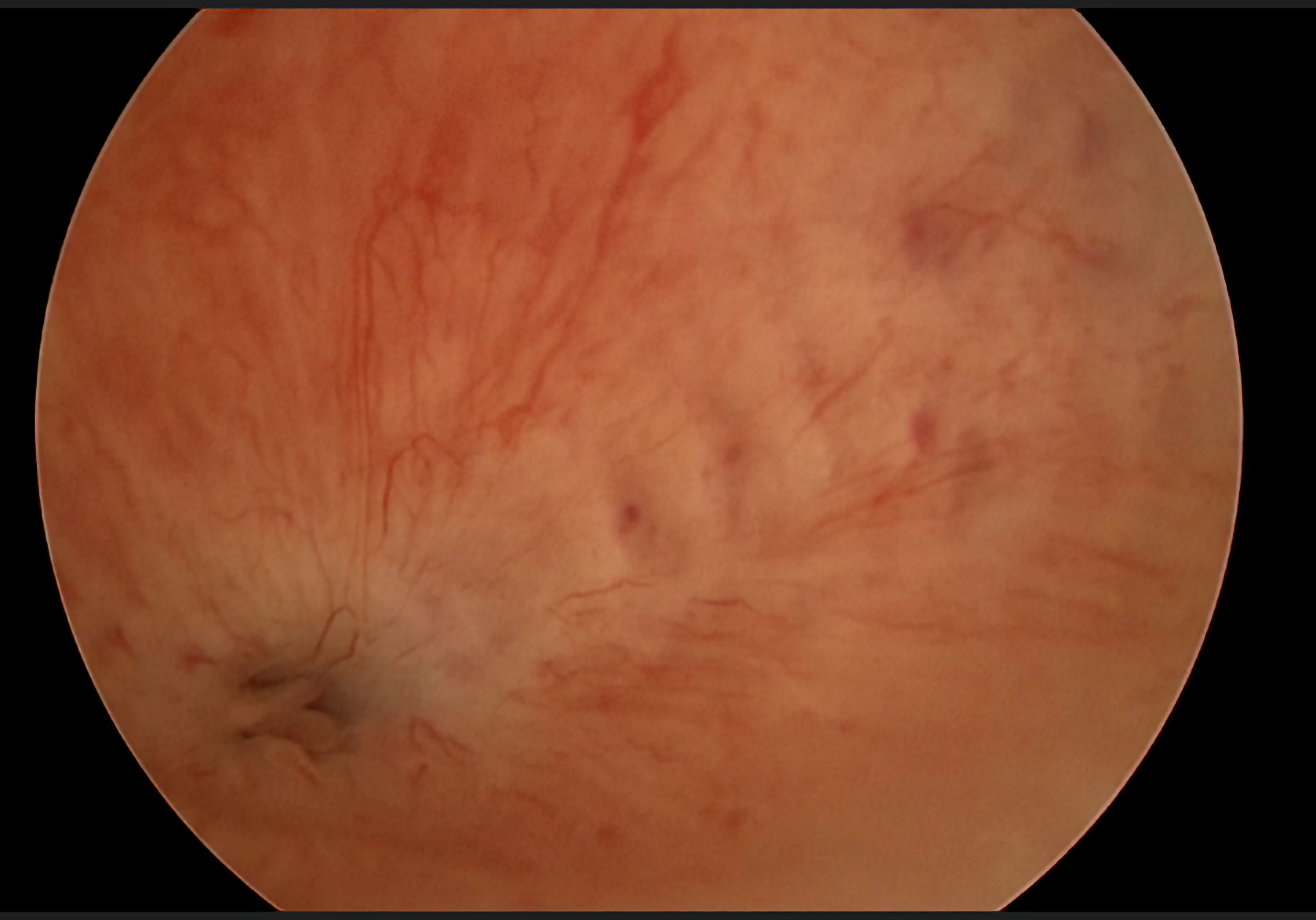
Results: In the PCOS group, hysteroscopy identified a thin endometrium (4%), a tiny polyp (1%), and a sub-septate uterus (1%), while a thin endometrium was found in 8% of UI cases. Vascularity abnormalities and Darwish triad micropolyps were observed in both groups. Histopathology revealed chronic endometritis with micropolyps, disordered proliferative endometrium, and occasional hyperplasia, more frequently in PCOS.
Conclusions: No significant clinical correlations were found. Routine hysteroscopy is not recommended in women with normal TVS but may be useful in selected long-standing infertility to detect subtle intrauterine pathology.
Published
Issue
Section
License
Copyright (c) 2026 The authors

This work is licensed under a Creative Commons Attribution 4.0 International License.