| Journal of Clinical Gynecology and Obstetrics, ISSN 1927-1271 print, 1927-128X online, Open Access |
| Article copyright, the authors; Journal compilation copyright, J Clin Gynecol Obstet and Elmer Press Inc |
| Journal website https://jcgo.elmerpub.com |
Original Article
Volume 15, Number 1, March 2026, pages 19-23

Are Transobturator Slings as Durable as Retropubic Slings?
Mushka Kayea, c, Rachel Caskeyb, Margot Barkerb, Karyn S. Eilberb
aCollege of Osteopathic Medicine, Western University of Health Sciences, Pomona, CA 91766, USA
bCedars-Sinai Medical Center, Los Angeles, CA 90048, USA
cCorresponding Author: Mushka Kaye, College of Osteopathic Medicine, Western University of Health Sciences, Pomona, CA 91766, USA
Manuscript submitted October 28, 2025, accepted January 26, 2026, published online February 7, 2026
Short title: Durability of TO-MUS Slings
doi: https://doi.org/10.14740/jcgo1580
| Abstract | ▴Top |
Background: Retropubic midurethral slings (RP-MUS) have demonstrated durable long-term outcomes, with 10-year studies confirming high continence and low complication rates. Transobturator midurethral slings (TO-MUS) have a potential advantage over RP-MUS in terms of a lower risk of bladder perforation and voiding dysfunction; however, data on long-term durability are limited, with few large, long-term cohort studies available. The aim of the study was to evaluate long-term subjective cure, reoperation, and complication rates after TO-MUS placement and to contextualize these outcomes relative to established retropubic (RP) durability data.
Methods: This is a retrospective cohort study of 295 women who underwent TO-MUS surgery performed by a single high-volume surgeon between 2010 and 2014. Demographics, surgical details, and follow-up outcomes (subjective cure, reoperation, complications) were abstracted. Statistical analyses included Chi-square tests and logistic regression.
Results: Nineteen percent of patients had ≥ 10 years of follow-up. Follow-up duration ranged from less than 1 month to 12.44 years, with a median of 3.0 years. At 10 years, 76.8% reported continued continence. The overall reoperation rate was 6.8%, including recurrent stress urinary incontinence (4.1%) and mesh-related complications (2.4%). Intraoperative bladder perforation occurred in 1.3% of cases, self-limited urinary retention in 9.2%, and postoperative urinary retention requiring reoperation in 0.3%; no significant bleeding events were observed. No independent predictors of recurrence or reoperation were identified.
Conclusions: In this large single-surgeon cohort, TO-MUS demonstrated durable long-term continence rates and low reoperation rates, with outcomes comparable to published RP series. These findings support TO-MUS as a safe and effective alternative to RP-MUS.
Keywords: Stress urinary incontinence; Midurethral sling; Transobturator sling; Long-term outcomes; Complications
| Introduction | ▴Top |
Stress urinary incontinence (SUI) is defined as the involuntary loss of urine during physical exertion and affects an estimated 4% to 35% of women in the United States [1, 2]. SUI disproportionately impacts younger and middle-aged women, significantly impairing quality of life, mental health, and daily activities; yet fewer than half of affected women seek treatment [3].
Conservative treatments include lifestyle changes, pelvic floor physical therapy, and incontinence pessaries. Operative options include urethral bulking agents and midurethral slings (MUS), with MUS considered the gold standard due to their high success rates and favorable safety profiles [4–6].
Two primary approaches exist for traditional MUS placement: retropubic (RP) and transobturator (TO). The RP approach was first introduced in 1996, followed by the TO technique in 2000, designed to reduce intraoperative complications such as bladder perforation [7, 8]. A Cochrane review of 81 trials involving 12,113 women demonstrated that transobturator midurethral slings (TO-MUS) had significantly lower rates of bladder perforation (0.6% versus 4.5%), shorter operative times, and reduced blood loss compared to retropubic midurethral slings (RP-MUS) [9].
The long-term durability of RP-MUS is well established. In a landmark 10-year follow-up study of retropubic midurethral slings, Serati et al [10] reported sustained objective and subjective cure rates of 93.1% and 89.7%, respectively, with low rates of major complications, based on long-term follow-up of 63 patients. In contrast, long-term data for TO-MUS are scarce. Only a handful of international series have reported outcomes beyond 10 years, all with modest sample sizes. A nationwide cohort study suggested a higher risk of reoperation for recurrent SUI after TO-MUS compared with RP-MUS [11, 12]. Thus, whether TO-MUS is as durable as RP-MUS remains uncertain, as few international cohorts have reported ≥ 10-year outcomes, and USA-based data are particularly lacking. To address this gap, we evaluated long-term outcomes of TO-MUS performed by a single, high-volume Urogynecology and Reconstructive Pelvic Surgery (URPS) specialist, focusing on subjective cure and reoperation rates, as well as risk factors associated with these outcomes.
| Materials and Methods | ▴Top |
This study is a retrospective cohort review of patients who underwent TO-MUS placement at our institution between 2010 and 2014 by a single board-certified URPS surgeon. The study was conducted in compliance with Institutional Review Board guidelines and was approved by the Cedars-Sinai Medical Center Institutional Review Board (STUDY00002990) with a waiver of consent.
A comprehensive review of electronic health records was conducted to identify eligible patients who underwent TO-MUS placement between November 2010 and December 2014. Demographic information collected included age, body mass index (BMI), race/ethnicity, menopausal status, and number of prior vaginal deliveries. Surgical data that were collected included sling type, concurrent urogynecological procedures (vaginal prolapse repair), and intraoperative complications including bladder perforation.
Patients were included if they were adult women diagnosed with SUI and underwent TO-MUS during the study period with documented postoperative follow-up. Patients undergoing concomitant vaginal prolapse procedures were eligible for inclusion. Patients were excluded if they had no available postoperative follow-up or if the sling was placed prophylactically for the prevention of de novo SUI at the time of pelvic organ prolapse repair. All patients had a documented normal postvoid residual (PVR) prior to sling placement.
Patients were routinely seen 1 week postoperatively or earlier if catheter removal was required due to postoperative voiding dysfunction. A 6-week follow-up visit was scheduled prior to resuming sexual activity, with subsequent visits occurring annually.
The primary outcome was rate of reoperation. Secondary outcomes included subjective cure rates, reason for reoperation (SUI recurrence, mesh exposure, etc.), and potential risk factors for recurrent SUI, such as BMI, parity, menopausal status, and prior pelvic surgery. Patients were stratified based on follow-up duration into groups of ≥ 1 year, ≥ 3 years, ≥ 5 years, and ≥ 10 years. Subjective cure rates and recurrence of SUI was assessed based on patient-reported symptoms documented in follow-up notes. Recurrence was stratified into three groups: 1) patient-reported recurrence of SUI without repeat intervention; 2) patient-reported recurrence of SUI with symptoms described as “not bothersome” or “rare”; and 3) patient-reported recurrence of SUI with subsequent reoperation. Descriptive statistics and cross-tabulations were conducted using Microsoft Excel pivot tables.
| Results | ▴Top |
A total of 329 patients underwent TO-MUS placement during the study period. After applying exclusion criteria, 295 patients were included in the final analysis. The mean age at surgery was 57.1 years (range 30–94) with the majority of patients identifying as White 90.5% (n = 267) and non-Hispanic 86.1% (n = 254). The mean BMI was 25.6 kg/m2 (range 17.4–56.7), and the majority of patients (58.6%, n = 173) had a history of two prior vaginal deliveries (range 0–11). Thirteen patients (4.4%) had a prior procedure for SUI: eight had a mesh sling, two had a bulking agent, and three had autologous fascia lata slings. Table 1 provides a complete summary of patient characteristics.
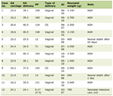 Click to view | Table 1. Patient Characteristics |
The median follow-up period was 3.0 years, with follow-up duration ranging from less than 1 month to 12.44 years; 19% (n = 56) of patients had more than 10 years of follow-up. The overall reoperation rate was 6.8% (n = 20 patients). Intraoperative complications included a bladder perforation rate of 1.3% (n = 4). Self-limited urinary retention occurred in 9.2% (n = 27) of patients. No patients required hospitalization or blood transfusion due to perioperative bleeding.
The median time to reoperation was 3.9 years (range 0.07–9 years). Among the 7.1% of women who required another procedure (n = 21), 12 (57.1%) patients underwent repeat sling placement or urethral bulking injection for recurrent SUI, seven (33.3%) had surgery for mesh exposure, and one (4.8%) required reoperation for postoperative urinary retention requiring sling incision.
Among those with > 10 years of follow-up (n = 56), 43 (76.8%) patients reported no recurrence of SUI. Of the remaining 13 patients who experienced recurrence or required reoperation, six (46.2%) underwent reoperation for recurrent SUI, three (23.1%) had bothersome symptoms but did not undergo reoperation, and four (30.8%) reported mild, non-bothersome symptoms. Symptom severity and bother were determined based on free-text documentation of patient-reported outcomes and treatment decisions (Table 2).
Click to view | Table 2. Outcomes by Length of Follow-Up |
Analysis of risk factors for SUI recurrence revealed no significant differences in race, menopausal status, vaginal estrogen use, number of prior vaginal deliveries, or BMI between patients with and without recurrent SUI. Logistic regression analysis found no statistically significant predictors of reoperation (P > 0.05).
| Discussion | ▴Top |
MUS are considered the gold standard surgical treatment for SUI, with both RP and TO approaches demonstrating high success rates [5, 6]. While the long-term durability of RP-MUS is well-established, long-term outcomes data for TO-MUS remain comparatively limited. The primary objective of this study was therefore to address this gap by characterizing long-term outcomes following TO-MUS placement rather than performing a direct comparison between sling types.
Systematic reviews report recurrence and reoperation rates beyond 5 years ranging from 5% to 15%, depending on patient and procedural factors [9]. Nationwide cohort studies similarly suggest a higher risk of reoperation after TO-MUS compared with RP-MUS [11, 13]. Only three series have reported ≥ 10-year outcomes after TO-MUS, all outside the United States (Ulrich et al 2016 [14]; Serati et al 2017 [15]; Natale et al 2019 [11]).
Ford et al (2015) conducted a Cochrane review of MUS and found that TO-MUS had similar cure rates to RP-MUS but with fewer intraoperative complications, including a lower risk of bladder perforation, shorter operative time, less voiding dysfunction, and reduced blood loss. However, the need for reoperation was more common with the TO approach [9], with a Danish cohort review finding that the RP-MUS approach had a reoperation rate of 6% in comparison to 9% for TO-MUS. This aligns with our study findings, which demonstrate durable long-term outcomes but a subset of patients requiring reoperation due to recurrent SUI, with an overall reoperation rate of 6.7% (10.7% among those with ≥ 10 years of follow-up). In addition to reoperation risk, we also examined complication rates, including bladder perforation and transient postoperative voiding dysfunction, to further contextualize the safety profile of the TO approach.
Our study observed a bladder perforation rate of 1.3%. In contrast, RP-MUS typically report bladder perforation rates between 5% and 10% and postoperative voiding dysfunction rates closer to 3%–5% [9, 15]. The higher rate of postoperative urinary retention observed in our cohort (9.2%) compared with rates of approximately 4% to 5% reported in other series [11, 15] is likely attributable to a conservative definition of retention. In our cohort, all but one case resolved with short-term catheterization lasting less than 24 h. One patient developed persistent postoperative urinary retention and underwent sling incision 6 months after the index procedure, resulting in a reoperation rate for retention of 0.3%.
As for recurrence, increased BMI and prior incontinence surgery have been reported as risk factors for treatment failure [16]. However, in our study, our analysis found no statistically significant risk factors for SUI recurrence, suggesting that other patient-specific variables or surgical technique differences may contribute to long-term outcomes. Among patients with ≥ 10 years of follow-up (n = 56), 43 (76.8%) remained continent, while 13 (23.2%) experienced some degree of recurrent symptoms. Of those, six (46.2%) patients underwent reoperation, three (23.1%) had bothersome symptoms but declined reintervention, and four (30.8%) reported mild, non-bothersome SUI. These data highlight that while recurrence does occur, the majority of patients maintain meaningful symptom control, and only a small proportion require repeat surgery.
Additionally, our findings emphasize the importance of surgical experience and technique in optimizing outcomes. Studies have demonstrated that high-volume surgeons have lower reoperation rates and fewer complications compared to low-volume surgeons [17–19]. By evaluating outcomes from a single high-volume URPS specialist, this study minimizes confounding related to surgical variability and highlights the importance of technical proficiency in achieving durable SUI treatment outcomes.
This study has several strengths, including its large sample size (n = 295) and long follow-up duration (≥ 10 years in 19% of patients). To our knowledge, it represents the first single-surgeon US cohort with long-term (> 10 years) follow-up and the largest single-surgeon US cohort to date. With 56 women documented at ≥ 10 years, it provides both a sizeable baseline population and a meaningful long-term subset despite inevitable attrition. While the number of patients who had 10-year follow-up appears low at 56, this is comparable to published long-term RP-MUS series, including a prospective 10-year study reporting outcomes in 63 women [10]. Furthermore, the inclusion of patient-reported outcomes—capturing both objective reoperation events and subjective continence status at follow-up visits— supplies complementary, high-granularity data on the durability and safety profile of TO slings.
We also acknowledge the limitations of this study. As a retrospective study, there is potential for selection bias and loss to follow-up, which may influence long-term outcome assessments. Patients with recurrent symptoms may have been more likely to return for evaluation or reoperation, potentially inflating recurrence estimates. Conversely, dissatisfied patients may have sought care elsewhere and been lost to follow-up, which could underestimate recurrence. The direction and magnitude of this bias cannot be determined and is an inherent limitation of retrospective analysis.
Subjective outcomes were derived from retrospective chart review rather than standardized or validated questionnaire which introduces the potential for classification bias. Subjective cure was categorized into four broad groups: no SUI, mild SUI that was not bothersome, recurrence without reoperation and reoperation. Chart review was conducted by a single reviewer, which reduces inter-reviewer variability. The breadth of these categories limits the degree of interpretation required to assign outcomes, but the absence of validated patient-reported outcomes remains an important limitation. Prior studies have demonstrated substantial discordance between objective and subjective measures following MUS surgery, highlighting the clinical relevance of patient-reported outcomes as complementary endpoints [20, 21].
All procedures were performed by a single high-volume surgeon at a single institution. While this enhances consistency in surgical technique, it may limit the generalizability of our findings to broader practice settings.
A small proportion of patients had undergone prior pelvic procedures, and preoperative urodynamic testing was not uniformly available. This reflects real-world clinical practice, and the number of patients in these subgroups was limited.
Conclusions
TO slings have favorable long-term outcomes with 76.8% of patients reporting continence at 10 years. Additionally, the absence of significant perioperative complications further reinforces the established safety of this approach. These findings provide valuable data to guide informed shared decision-making when counseling patients regarding SUI surgery.
Acknowledgments
None to declare.
Financial Disclosure
None to declare.
Conflict of Interest
None to declare.
Informed Consent
Not applicable due to IRB-approved waiver.
Author Contributions
Mushka Kaye drafted and prepared the full manuscript, performed data analysis, and contributed to literature review and interpretation of results. Rachel Caskey collected and organized primary data, prepared the abstract, and reviewed and revised the manuscript. Margot Barker assisted with data collection and reviewed and revised the manuscript. Karyn S. Eilber, as the principal Investigator, conceived and oversaw the study and provided critical manuscript revision.
Data Availability
The data supporting the findings of this study are available from the corresponding author upon reasonable request.
Abbreviations
MUS: midurethral sling; RP: retropubic; RP-MUS: retropubic midurethral sling; SUI: stress urinary incontinence; TO: transobturator; TO-MUS: transobturator midurethral sling; URPS: Urogenital and Reconstructive Pelvic Surgery
| References | ▴Top |
- Haylen BT, de Ridder D, Freeman RM, Swift SE, Berghmans B, Lee J, Monga A, et al. An International Urogynecological Association (IUGA)/International Continence Society (ICS) joint report on the terminology for female pelvic floor dysfunction. Neurourol Urodyn. 2010;29(1):4-20.
doi pubmed - Luber KM. The definition, prevalence, and risk factors for stress urinary incontinence. Rev Urol. 2004;6(Suppl 3):S3-9.
pubmed - Hannestad YS, Rortveit G, Sandvik H, Hunskaar S, Norwegian EsEoIitCoN-T. A community-based epidemiological survey of female urinary incontinence: the Norwegian EPINCONT study. Epidemiology of Incontinence in the County of Nord-Trondelag. J Clin Epidemiol. 2000;53(11):1150-1157.
doi pubmed - Minassian VA, Yan X, Lichtenfeld MJ, Sun H, Stewart WF. The iceberg of health care utilization in women with urinary incontinence. Int Urogynecol J. 2012;23(8):1087-1093.
doi pubmed - Abrams P, Andersson KE, Birder L, Brubaker L, Cardozo L, Chapple C, Cottenden A, et al. Fourth International Consultation on Incontinence Recommendations of the International Scientific Committee: Evaluation and treatment of urinary incontinence, pelvic organ prolapse, and fecal incontinence. Neurourol Urodyn. 2010;29(1):213-240.
doi pubmed - Osse NJE, Engberts MK, Koopman LS, van Eijndhoven HWF. Evaluation of the long-term effect and complication rate of single-incision slings for female stress urinary incontinence. Eur J Obstet Gynecol Reprod Biol. 2021;267:1-5.
doi pubmed - Ulmsten U, Henriksson L, Johnson P, Varhos G. An ambulatory surgical procedure under local anesthesia for treatment of female urinary incontinence. Int Urogynecol J Pelvic Floor Dysfunct. 1996;7(2):81-85; discussion 85-86.
doi pubmed - Delorme E. Transobturator tape (TOT): An alternative surgical procedure for stress urinary incontinence in women. Eur Urol. 2001;40(6):579-583.
doi - Ford AA, Rogerson L, Cody JD, Ogah J. Mid-urethral sling operations for stress urinary incontinence in women. Cochrane Database Syst Rev. 2015;(7):CD006375.
doi pubmed - Serati M, Ghezzi F, Cattoni E, Braga A, Siesto G, Torella M, Cromi A, et al. Tension-free vaginal tape for the treatment of urodynamic stress incontinence: efficacy and adverse effects at 10-year follow-up. Eur Urol. 2012;61(5):939-946.
doi pubmed - Natale F, Illiano E, Marchesi A, et al. Transobturator tape over 10 years. Urology. 2019;130:106-112.
doi - Foss Hansen M, Lose G, Kesmodel US, Gradel KO. Reoperation for urinary incontinence: a nationwide cohort study, 1998-2007. Am J Obstet Gynecol. 2016;214(2):263.e1-e8.
doi pubmed - Guillot-Tantay C, Van Kerrebroeck P, Chartier-Kastler E, Dechartres A, Tubach F. Long-term Safety of Synthetic Midurethral Sling Implantation for the Treatment of Stress Urinary Incontinence in Adult Women: A Systematic Review. Eur Urol Open Sci. 2023;54:10-19.
doi pubmed - Ulrich D, Tammaa A, Hölbfer S, Trutnovsky G, Bjelic-Radisic V, Tamussino K, Aigmüller T. Ten-Year Followup after Tension-Free Vaginal Tape-Obturator Procedure for Stress Urinary Incontinence. J Urol. 2016;196(4):1201-1206.
doi pubmed - Serati M, Braga A, Athanasiou S, Tommaselli GA, Caccia G, Torella M, Ghezzi F, et al. Tension-free Vaginal Tape-Obturator for Treatment of Pure Urodynamic Stress Urinary Incontinence: Efficacy and Adverse Effects at 10-year Follow-up. Eur Urol. 2017;71(4):674-679.
doi pubmed - Six JC, Pinsard M, Guerin S, Gasmi A, Coiffic J, Richard C, Haudebert C, et al. Risk factors for stress urinary incontinence recurrence after midurethral sling revision. Int J Urol. 2023;30(11):1008-1013.
doi pubmed - Cartier S, Cerantola GM, Leung AA, Brennand E. The impact of surgeon operative volume on risk of reoperation within 5 years of mid-urethral sling: a systematic review. Int Urogynecol J. 2023;34(5):981-992.
doi pubmed - Berger AA, Tan-Kim J, Menefee SA. Surgeon volume and reoperation risk after midurethral sling surgery. Am J Obstet Gynecol. 2019;221(5):523.e1-e8.
doi pubmed - Welk B, Winick-Ng J. Repeat surgical intervention for stress urinary incontinence after a failed midurethral sling. Obstet Gynecol. 2016;127(5):1003-1010.
doi - Baydemir SK, Dokmeci F, Varli B, Seval MM, Cetinkaya SE. Mid-to-Long term patient-reported improvement after mid-urethral sling surgery: which clinical metrics are most reflective? Eur J Obstet Gynecol Reprod Biol. 2026;316:114781.
doi pubmed - Barba M, Cola A, Costa C, Liberatore A, Frigerio M. Efficacy and Adverse Effects After Single-Incision Slings for Women with Stress Urinary Incontinence: A 12-Year Follow-Up. Int J Womens Health. 2023;15:1077-1082.
doi pubmed
This article is distributed under the terms of the Creative Commons Attribution 4.0 International License (CC BY 4.0), which permits unrestricted use, distribution, and reproduction in any medium, including commercial use, provided the original work is properly cited.
Journal of Clinical Gynecology and Obstetrics is published by Elmer Press Inc.