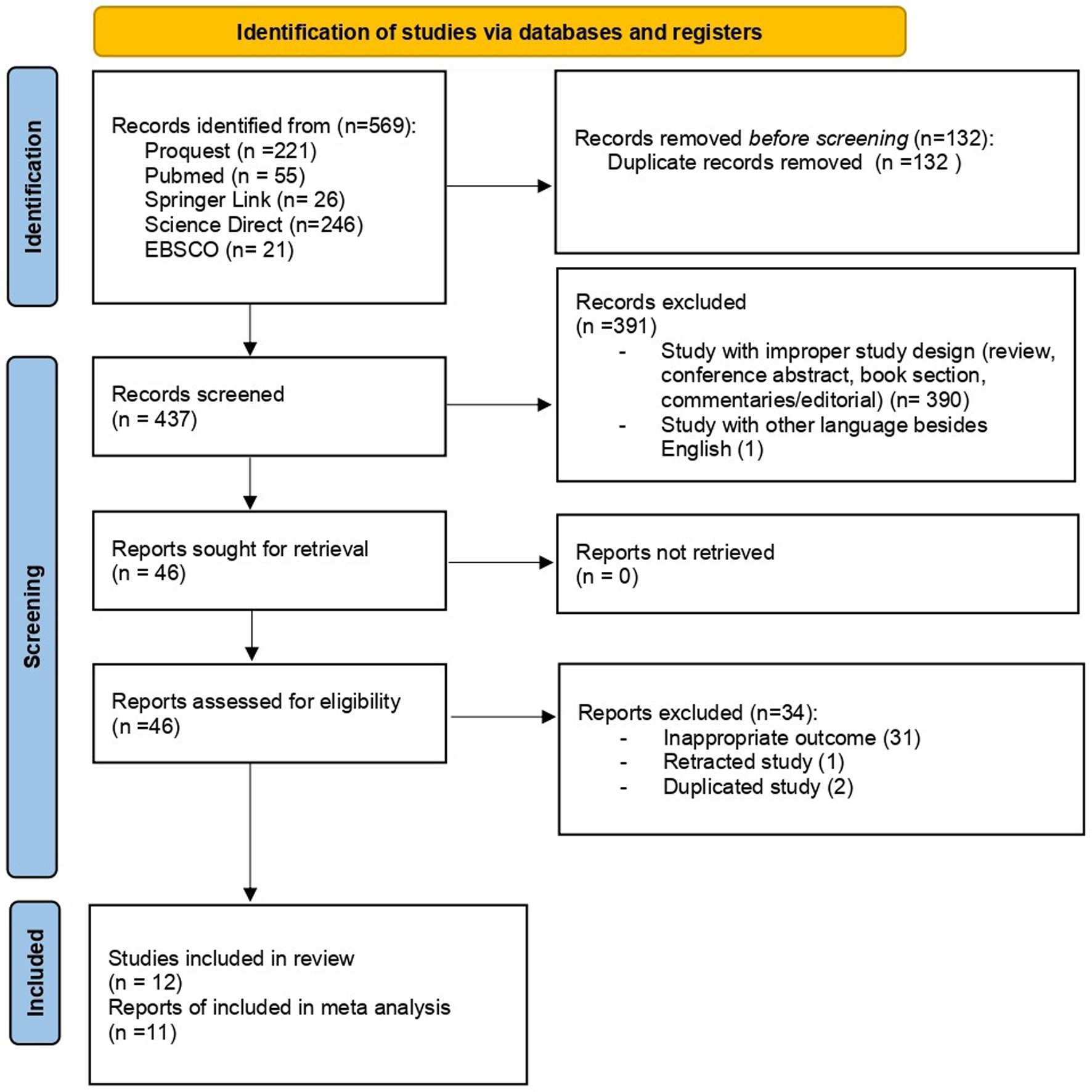
↓ Figure 1. PRISMA 2020 flow diagram of the literature search.
| Journal of Clinical Gynecology and Obstetrics, ISSN 1927-1271 print, 1927-128X online, Open Access |
| Article copyright, the authors; Journal compilation copyright, J Clin Gynecol Obstet and Elmer Press Inc |
| Journal website https://jcgo.elmerpub.com |
Original Article
Volume 15, Number 3, September 2026, pages 114-125
Serum Lactate Dehydrogenase Levels as a Prognostic Marker for Maternal and Neonatal Outcomes in Hypertensive Pregnancy Complication: A Systematic Review and Meta-Analysis
Figures
Tables
| No. | Author, publication year, country | Study design | Participants demographics | Inclusion/exclusion criteria of participants | Outcome of interest | |||
|---|---|---|---|---|---|---|---|---|
| N | Gestational age | |||||||
| < 600 | ≥ 600 | < 600 | ≥ 600 | |||||
| CAD: coronary artery disease; DIC: disseminated intravascular coagulation;DM: diabetes mellitus; FGR: fetal growth restriction; HDP: hypertensive disorders of pregnancy; IUFD: intrauterine fetal death; LBW: low birth weight; NICU: neonatal intensive care unit; SOL: space-occupying lesion. | ||||||||
| 1 | Hak et al, 2015, India [9] | Case–control study | 36 (36%) | 64 (64%) | N/A | N/A | Inclusion: third trimester (28 weeks onwards); normotensive, preeclampsia, eclampsia Exclusion: history of chronic hypertension, renal disease, pre-existing DM, liver disorder, epileptic disorder, hemolytic anemia, trauma, bone fracture, muscle injury; on drug, such as aspirin, fluoride, narcotics | Maternal outcome: placental abruption Neonatal outcome: - |
| 2 | Umasatyasri et al, 2015, India [10] | Prospective comparative case–control | 115 (76.7%) | 35 (23.3%) | 37.60 ± 2.76 weeks | 36.60 ± 2.90 weeks | Inclusion criteria: singleton pregnancy; age 18–30; no previous history of hypertension; third trimester of pregnancy; blood pressure normal during first 20 weeks Exclusion criteria: history of liver, diabetes, renal failure, hemolytic anemia, stroke, CAD, chronic lung disease, DIC, seizure, chronic hypertension, gestational diabetes; multiple pregnancy; smoking and alcoholism; hepatotoxic drugs | Maternal outcome: - Neonatal outcome: IUFD |
| 3 | Mary et al, 2017, India [11] | Case-control study | 32 (40.5%) | 47 (59.4%) | N/A | N/A | Inclusion criteria: singleton pregnancy; age 20–30; preeclamptic women whose BP was normal during first 20 weeks of gestation; no previous history of hypertension Exclusion criteria: history of diabetes, renal failure, hemolytic anemias, chronic hypertension, gestational diabetes, liver disease, CAD, chronic lung disease, connective tissue disorder, DIC, seizure; multiple pregnancy; smoking and alcoholism; hepatotoxic drugs | Maternal outcome: eclampsia; placental abruption Neonatal outcome: - |
| 4 | Gaddi et al, 2018, India [12] | Prospective case–control | 92 (46%) | 108 (54%) | 38.5 ± 2.14 weeks | 36.79 ± 3.3 weeks | Inclusion: normal pregnancy; mild preeclampsia, severe preeclampsia, eclampsia Exclusion: history of pre-existing DM, thyroid disorder, renal disease, epileptic disorder, liver disorder | Maternal outcome: placental abruption; maternal death Neonatal outcome: NICU admission; FGR |
| 5 | Singh et al, 2018, India [13] | Prospective case–control study | 123 (41%) | 177 (59%) | N/A | N/A | Inclusion criteria: 28 weeks of gestation; with HDP Exclusion criteria: chronic hypertension; history of diabetes, liver renal disease, epilepsy, thyroid disease, hyperuricemia; smoking, alcohol, and drug intake; symptomatic infectious disease; multiple gestation | Maternal outcome: placental abruption; eclampsia Neonatal outcome: low birth weight; IUFD; preterm |
| 6 | Mehta et al, 2019, India [14] | Prospective cohort study | 56 (18%) | 244 (82%) | N/A | N/A | Inclusion criteria: preeclampsia patients Exclusion criteria: hypertensive pregnant women of gestational age < 20 weeks; pregnant women with history of smoking; alcoholism; diabetes mellitus; chronic hypertension; cardiac, liver or lung disease; multiple and molar pregnancy | Maternal outcome: placental abruption; eclampsia; maternal death Neonatal outcome: low birth weight; IUFD; preterm; FGR |
| 7 | Bhandari et al, 2019, India [15] | Prospective cohort study | 53 (53%) | 47 (47%) | N/A | N/A | Inclusion criteria: singleton pregnancy; cephalic presentation; gestational age ≥ 28 weeks Exclusion criteria: chronic hypertension; medical disorders; taking hepatotoxic drugs | Maternal outcome: eclampsia; abruption; mortality Neonatal outcome: LBW; preterm; NICU admission |
| 8 | Shivamurthy et al, 2020, India [16] | Case–control study | 182 (91%) | 18 (4%) | 37.6 ± 2.76 weeks | 36.7 ± 2.96 weeks | Inclusion: gestational age ≥ 20 weeks Exclusion: essential hypertension or hypertension < 20 weeks gestation, pre-existing diabetes mellitus, renal disease, liver disorder, thyroid disorder, alcoholic, epilepsy, and urinary tract infection | Maternal outcome: eclampsia; placental abruption Neonatal outcome: LBW; preterm; NICU admission |
| 9 | Eleti et al, 2023, India [7] | Prospective comparative case–control | 163 (70.8%) | 67 (29.1%) | 31–40 weeks | 28.6–39.6 weeks | Inclusion criteria: gestational age 28–40; singleton pregnancy; normotensive, preeclampsia, eclampsia Exclusion criteria: history of chronic hypertension, pre-existing diabetes mellitus, liver disorder, renal disorder, epileptic disorder, thyroid disorder, heart disease, leukemia, hemolysis, hepatitis, pancreatitis; multiple pregnancy | Maternal outcome: placental abruption; FGR; maternal death Neonatal outcome: preterm; low birth weight; NICU admission; IUFD |
| 10 | Kumari et al, 2024, India [8] | Prospective cohort study | 74 | 66 | N/A | N/A | Inclusion: singleton pregnancy; after 28 weeks of gestation Exclusion: diabetes; renal failure; previous history of hemolytic anemia; multiple pregnancy; smoking and alcoholism; liver disease; hepatotoxic drug; stroke, coronary artery disease; chronic lung disease connective tissue disorders | Maternal outcome: placental abruption; maternal death Neonatal outcome: FGR; IUFD |
| 11 | Vaishnav et al, 2024, India [17] | Prospective cohort study | 127 | 73 | N/A | N/A | Inclusion: singleton pregnancy; more than 20 weeks of pregnancy with hypertension; age 18–35 years Exclusion: chronic hypertension; existing liver/renal disease; alcoholism; thyrotoxicosis; pre-existing diabetes; connective tissues disorder; other convulsive disorder; SOL or brain trauma; multiple pregnancy | Maternal outcome: placental abruption; maternal death; pulmonary edema Neonatal outcome: FGR; IUFD |
| 12 | Nasir et al, 2025, Iraq [18] | Prospective case–control | 25 (25%) | 75 (75%) | N/A | N/A | Inclusion: women with singleton pregnancy in their third trimester without history of chronic hypertension, diabetes mellitus, renal, cardiac, and neurological disease Exclusion: - | Maternal outcome: eclampsia Neonatal outcome: FGR; NICU admission |
| Study | Selection (max 4) | Comparability (max 2) | Exposure (max 3) | Total score (max 9) |
|---|---|---|---|---|
| Hak et al, 2015 [9] | ★★★★ (1,2,3,4) | ★ (1) | ★★★ (1,2,3) | 8 |
| Umasatyasri et al, 2015 [10] | ★★★ (1,2,4) | ★ (1) | ★★★ (1,2,3) | 7 |
| Mary et al, 2017 [11] | ★★★ (1,2,4) | ★ (1) | ★★★ (1,2,3) | 7 |
| Gaddi et al, 2018 [12] | ★★★ (1,2,4) | ★ (1) | ★★★ (1,2,3) | 7 |
| Singh et al, 2018 [13] | ★★★ (1,2,4) | ★ (1) | ★★★ (1,2,3) | 7 |
| Shivamurthy et al, 2020 [16] | ★★★ (1,2,4) | ★ (1) | ★★ (2,3) | 6 |
| Eleti et al, 2023 [7] | ★★★ (1,2,4) | ★ (1) | ★★★ (1,2,3) | 7 |
| Nasir et al, 2025 [18] | ★★★ (1,2,4) | ★ (1) | ★★★ (1,2,3) | 7 |
| Study | Selection (max 4) | Comparability (max 2) | Exposure (max 3) | Total score (max 9) |
|---|---|---|---|---|
| Mehta et al, 2019 [14] | ★★★★ (1,2,3,4) | ★ (1) | ★★★ (1,2,3) | 8 |
| Bhandari et al, 2019 [15] | ★★★★ (1,2,3,4) | ★ (1) | ★ (1) | 6 |
| Kumari et al, 2024 [8] | ★★★★ (1,2,3,4) | ★ (1) | ★★★ (1,2,3) | 8 |
| Vaishnav et al, 2024 [17] | ★★★★ (1,2,3,4) | ★ (1) | ★★★ (1,2,3) | 8 |
| Outcome | Number of participants (studies) | Quality assessment | Summary findings | ||||||
|---|---|---|---|---|---|---|---|---|---|
| Risk of bias | Inconsistency | Indirectness | Imprecision | Publication bias | Overall quality of evidence | Effect size total | 95% CI (lower, upper) | ||
| aEffect estimates come from a small number of studies (no more than 10 studies in each outcome). bPotential publication bias was found in each outcome. CI: confidence interval; FGR: fetal growth restriction; IUFD: intrauterine fetal death; LBW: low birth weight; NICU: neonatal intensive care unit. | |||||||||
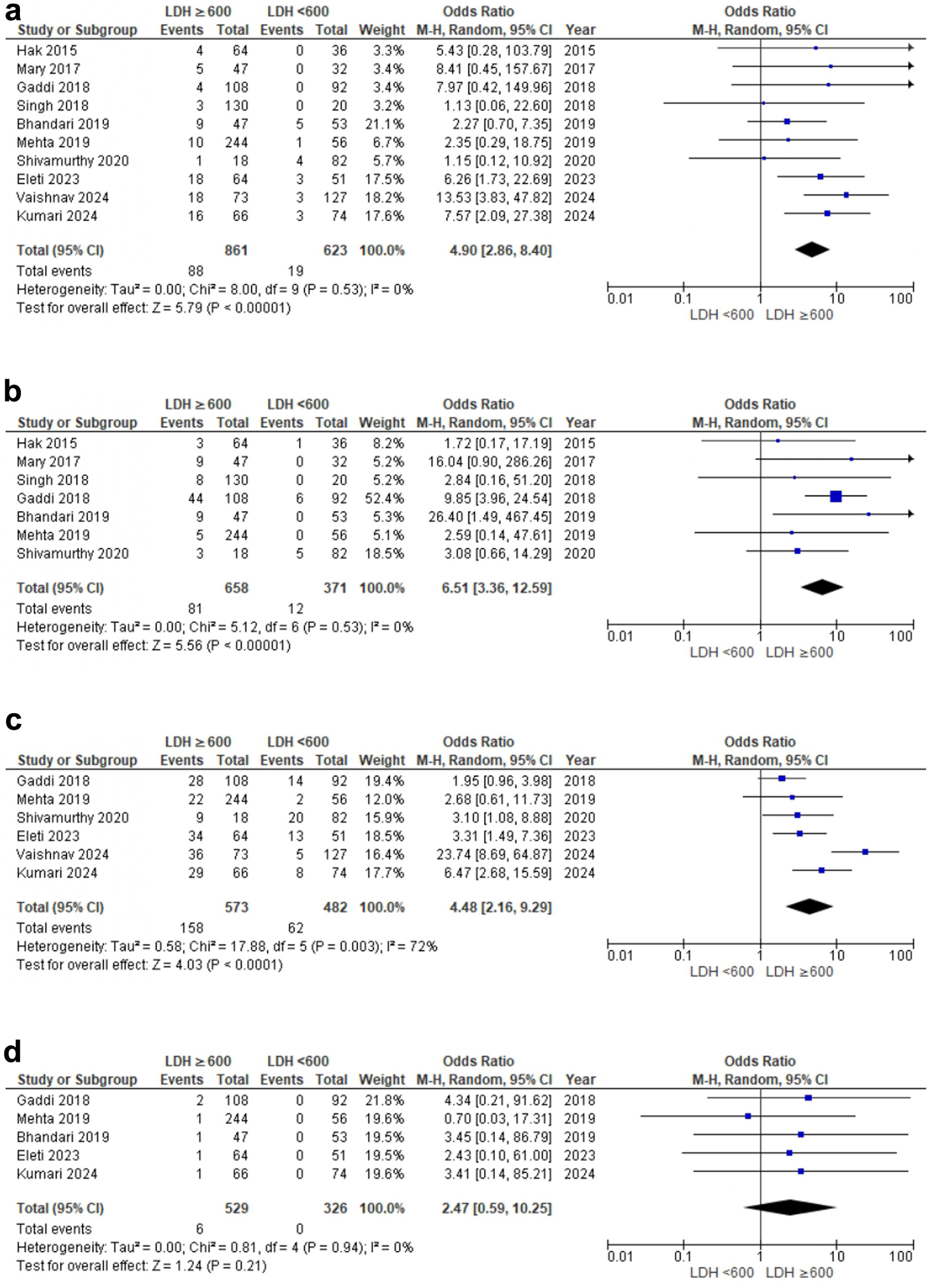
| Placental abruption | < 600: 623 ≥ 600: 861 (10 studies) | Not serious | Not serious | Not serious | Not serious | Not serious | High | 4.90 | (2.86, 8.40) |
| Eclampsia | < 600: 371 ≥ 600: 658 (7 studies) | Not serious | Not serious | Not serious | Seriousa | Not serious | Moderate | 6.51 | (3.36, 12.59) |
| FGR | < 600: 482 ≥ 600: 573 (6 studies)) | Not serious | Not serious | Not serious | Seriousa | Seriousb | Low | 4.48 | (2.16, 9.29) |
| Maternal death | < 600: 326 ≥ 600: 529 (5 studies) | Not serious | Not serious | Not serious | Seriousa | Seriousb | Low | 2.47 | (0.59, 10.25) |
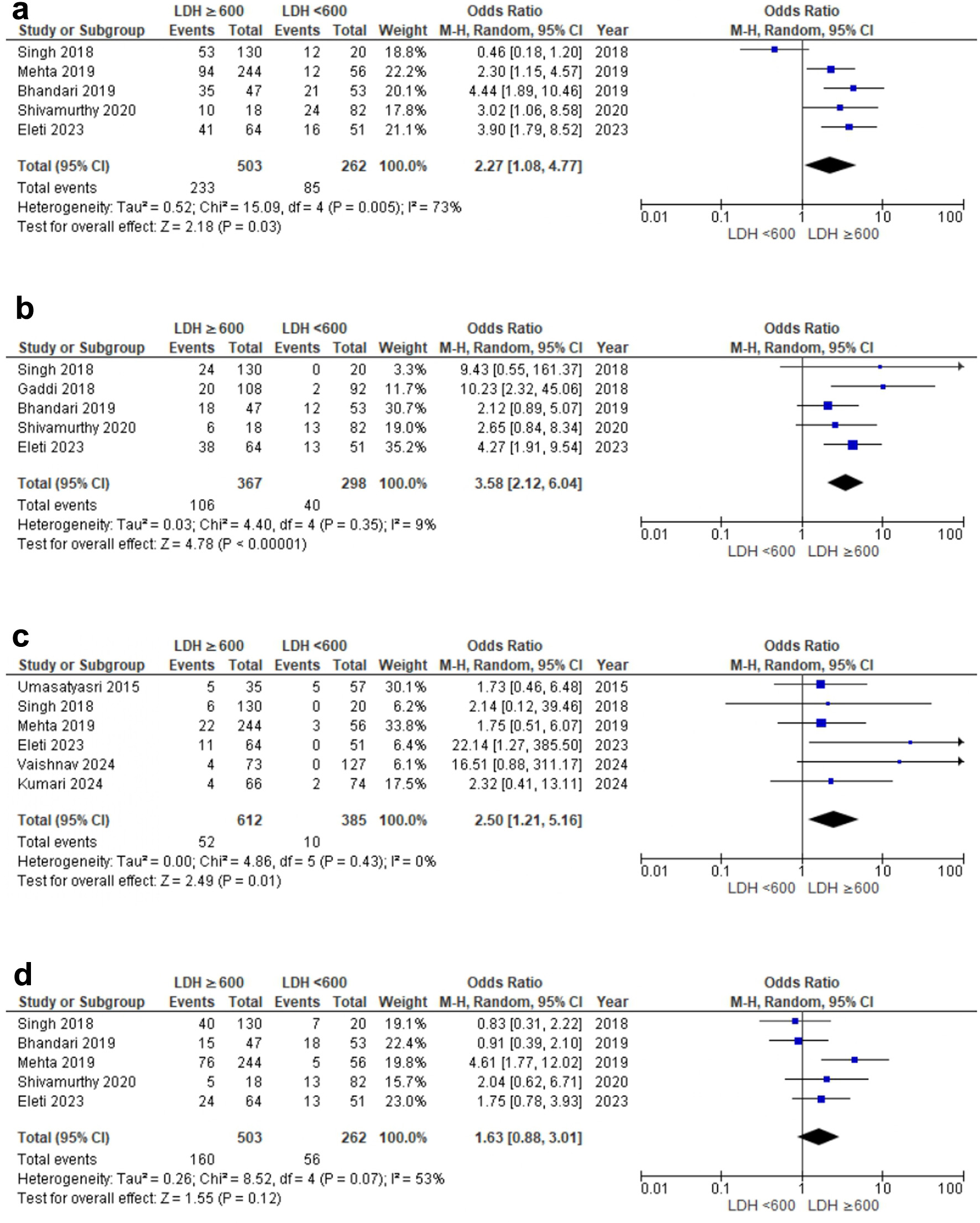
| LBW | < 600: 262 ≥ 600: 503 (5 studies) | Not serious | Not serious | Not serious | Seriousa | Seriousb | Low | 2.27 | (1.08, 4.77) |
| NICU admission | < 600: 298 ≥ 600: 367 (5 studies) | Not serious | Not serious | Not serious | Seriousa | Not serious | Moderate | 3.58 | (2.12, 6.04) |
| IUFD | < 600: 385 ≥ 600: 612 (6 studies) | Not serious | Not serious | Not serious | Seriousa | Not serious | Moderate | 2.50 | (1.21, 5.16) |
| Preterm | < 600: 262 ≥ 600: 503 (5 studies) | Not serious | Not serious | Not serious | Seriousa | Seriousb | Low | 1.63 | (0.88, 3.01) |