| Journal of Clinical Gynecology and Obstetrics, ISSN 1927-1271 print, 1927-128X online, Open Access |
| Article copyright, the authors; Journal compilation copyright, J Clin Gynecol Obstet and Elmer Press Inc |
| Journal website https://jcgo.elmerpub.com |
Review
Volume 000, Number 000, November 2026, pages 000-000

The Endometrial–Vaginal Microbiota Axis as a Determinant of Implantation and Live Birth Outcomes in Assisted Reproductive Technology
Sayali Kulkarnia, b, e  , Atroba Zaheera, c, Sneh Joshia, b, Heli Chauhana, b, Chandana Sri Kalapalaa, c, Akula Subramanya Sri Mahesha, c, Divyesh Kadiyalaa, d
aINSCRIBE by INCREDOC, Tbilisi, Georgia
bDepartment of Medicine, Georgian National University SEU, Tbilisi, Georgia
cDepartment of Medicine, Tbilisi State Medical University, Tbilisi, Georgia
dDepartment of Medicine, University of Georgia, Tbilisi, Georgia
eCorresponding Author: Sayali Sandeep Kulkarni, Department of Medicine, Georgian National University SEU, Tbilisi 0144, Georgia
Manuscript submitted July 10, 2026, accepted October 14, 2026, published online November 16, 2026
Short title: Reproductive Microbiota Axis in ART
doi: https://doi.org/10.14740/jcgo1733
| Abstract | ▴Top |
The review aimed to evaluate the impact of the endometrial–vaginal microbiota axis on assisted reproductive technology (ART) outcomes, including implantation, clinical pregnancy, and live birth rates, and to determine current clinical implications. A narrative review was conducted using PubMed, Scopus, and Web of Science (2014–2025). Peer-reviewed human clinical studies evaluating in vitro fertilization/intracytoplasmic sperm injection outcomes and microbiota profiles were qualitatively analyzed, specifically accounting for methodological barriers such as low-biomass contamination. Lactobacillus-dominant communities, particularly those enriched in Lactobacillus crispatus, strongly correlate with improved implantation and live birth rates following ART. Conversely, dysbiosis—characterized by high diversity and pathogens like Gardnerella, Atopobium, and Prevotella—is significantly associated with recurrent implantation failure, recurrent pregnancy loss, and altered immune tolerance. Despite these associations, methodological inconsistencies, including heterogeneous sampling and contamination risks in low-biomass environments, currently limit causal inferences and produce conflicting findings. While Lactobacillus-dominant genital microbiota favors ART success and dysbiosis impairs it, routine universal microbiome screening is not yet recommended. Standardized, contamination-controlled methodologies and randomized trials evaluating microbiome-directed therapies are required before safely integrating microbial profiling into personalized ART pathways.
Keywords: Microbiota; Assisted reproductive technology; Embryo implantation; Fertilization in vitro; Lactobacillus; Dysbiosis
| Introduction | ▴Top |
Global burden of infertility and use of assisted reproductive technology (ART)
Infertility affects an estimated 10–15% of couples of reproductive age worldwide, making it a major global health and social issue [1, 2]. As delayed childbearing, environmental exposures, and lifestyle factors accumulate, demand for assisted reproductive technology (ART) has risen steadily [1, 2]. ART, particularly in vitro fertilization (IVF) and intracytoplasmic sperm injection (ICSI), now represents the most effective treatment for many forms of infertility [1–3]. Yet, despite technological advances in ovarian stimulation, laboratory culture systems, and embryo selection, per-cycle clinical pregnancy and delivery rates remain modest, typically around 30–40% in large registries and cohort reports, reflecting persistent limitations related largely to implantation failure [1–3].
Determinants of ART success
Classically, ART outcomes are attributed to three main domains: embryo quality, endometrial receptivity, and maternal age. Embryo competence, shaped by gamete quality and laboratory conditions, is central to implantation potential [1, 4]. Endometrial receptivity—defined by the molecular and structural state of the lining during the implantation window—critically modulates embryo–maternal dialogue [4]. Maternal age influences both oocyte aneuploidy and endometrial function, and remains one of the strongest predictors of IVF success [2, 3].
However, even when high-quality euploid embryos are transferred into morphologically and molecularly “receptive” endometria in younger women, a large proportion of cycles still fail to implant, indicating that these traditional parameters do not fully explain implantation failure or the plateau in live birth rates [1, 2, 4]. This discrepancy has prompted investigation into additional determinants, including immune, vascular, and microbial factors within the reproductive tract [1, 2, 4, 5].
The emerging role of the reproductive microbiome
Advances in culture-independent sequencing have revealed that the female reproductive tract harbors complex microbial communities extending beyond the vagina to the cervix and endometrium [4, 6, 7]. The vaginal microbiome is typically low-diversity and dominated by Lactobacillus species, which maintain an acidic pH and protect against pathogens [2, 6, 7]. Deviations from this Lactobacillus-dominated (LD) state (dysbiosis) have been linked to infertility, implantation failure, miscarriage, and preterm birth [1, 6, 7].
The endometrial microbiome, once thought absent in a “sterile” uterus, is now recognized as a low-biomass but distinct community that can be classified as LD or non-Lactobacillus-dominated (NLD) [4, 6]. An endometrium enriched in Lactobacillus has been associated with higher implantation, pregnancy, and live birth rates in ART, whereas increased diversity and over-representation of opportunistic taxa correlate with poorer outcomes and recurrent implantation failure (RIF) [1, 2, 4, 6].
The endometrial–vaginal microbiota axis
Multiple studies now support microbial continuity from the vagina through the cervix into the uterine cavity, challenging the historical notion of a sterile upper tract [8, 9]. High-throughput sequencing of paired samples has demonstrated subject-specific but related microbial profiles along the tract, with shared genera and a gradient in Lactobacillus abundance from lower to upper compartments [8, 10, 11]. Cross-sectional analyses in ART populations show an LD vagina and cervix, with a somewhat more diverse but still overlapping endometrial community, indicating a microbiota continuum [8, 10, 11].
Mechanistically, this axis is thought to arise from microbial translocation, whereby vaginal or cervical bacteria ascend into the endometrium, particularly when cervical mucus, hormonal milieu, or iatrogenic procedures (e.g., catheter passage) facilitate upward movement [3, 8, 9]. Human and animal data indicate that translocation of specific vaginal strains can either induce endometritis-like changes or exert protective effects on endometrial health, underscoring the bidirectional relationship between vaginal communities and uterine microecology [9]. In ART settings, endometrial profiles often differ from paired vaginal samples, suggesting local selection and host–microbe interactions superimposed on this longitudinal continuity [4, 11].
Knowledge gap
Despite accumulating evidence linking vaginal and endometrial dysbiosis to implantation failure, recurrent pregnancy loss (RPL), and reduced live birth, three critical gaps remain: no consensus exists on a “normal” or optimal endometrial microbiome, as reported community structures vary substantially with sampling, sequencing, and decontamination protocols; the mechanistic pathways by which coordinated or discordant vaginal–endometrial communities influence implantation (immune modulation, cytokine signaling, metabolic products, epithelial barrier changes) remain incompletely delineated; and whether modifying the reproductive tract microbiota reliably improves implantation and live birth is unclear, as interventional data remain scarce and heterogeneous [1, 2, 4, 6, 9]. Consequently, the integrated role of the endometrial–vaginal microbiota axis in determining implantation success and cumulative live birth is not yet fully understood [1, 2, 6].
Objective of this review
This review synthesizes current evidence on the endometrial–vaginal microbiota axis and its impact on implantation and live birth in ART, addressing: the composition and stability of vaginal and endometrial microbiomes in infertile/ART populations; patterns of microbial continuity and translocation along the reproductive tract; associations between combined vaginal–endometrial profiles and key ART outcomes; and methodological challenges and future directions for incorporating microbiota assessment into personalized ART strategies [1, 2, 4, 6, 8–11].
| Methodology | ▴Top |
A comprehensive literature search for this narrative review was performed across three electronic databases: PubMed/MEDLINE, Scopus, and Web of Science. The search period was restricted to articles published between January 2014 and May 2025 to capture the most recent advancements in high-throughput sequencing and ART outcomes. The search strategy utilized Boolean operators (AND, OR) and targeted the following Medical Subject Headings (MeSH) and keywords, with the exact search strings as follows: PubMed/MEDLINE – ("endometrial microbiome"[tiab] OR "vaginal microbiota"[tiab] OR "reproductive tract axis"[tiab] OR "Lactobacillus dominance"[tiab] OR "16S rRNA sequencing"[tiab] OR "metagenomics"[tiab]) AND ("assisted reproductive technology"[tiab] OR "IVF"[tiab] OR "ICSI"[tiab]) AND ("recurrent implantation failure"[tiab] OR "RIF"[tiab] OR "live birth rate"[tiab] OR "LBR"[tiab]); Scopus – TITLE-ABS-KEY(("endometrial microbiome" OR "vaginal microbiota" OR "reproductive tract axis" OR "Lactobacillus dominance" OR "16S rRNA sequencing" OR "metagenomics") AND ("assisted reproductive technology" OR "IVF" OR "ICSI") AND ("recurrent implantation failure" OR "RIF" OR "live birth rate" OR "LBR")); Web of Science – TS=(("endometrial microbiome" OR "vaginal microbiota" OR "reproductive tract axis" OR "Lactobacillus dominance" OR "16S rRNA sequencing" OR "metagenomics") AND ("assisted reproductive technology" OR "IVF" OR "ICSI") AND ("recurrent implantation failure" OR "RIF" OR "live birth rate" OR "LBR")). Inclusion criteria were peer-reviewed original research (prospective/retrospective cohorts, case–control studies), systematic reviews, and meta-analyses involving human subjects undergoing ART. Exclusion criteria were studies conducted exclusively in animal or in vitro models (unless discussing fundamental mechanisms), non-English language publications, and abstracts from conferences without subsequent peer-reviewed publication. A total of 60 full-text articles were assessed. Titles and abstracts were screened for relevance, followed by full-text assessment of potentially eligible records; literature screening was performed by two authors. Data were qualitatively synthesized to identify compositional patterns of the microbiota axis, correlations between specific microbial signatures and implantation/birth outcomes and methodological challenges (e.g., contamination, sampling bias) that influence evidence interpretation.
| Biology of the Endometrial–Vaginal Microbiota Axis | ▴Top |
This section outlines the compositional and mechanistic basis of the endometrial–vaginal microbiota axis underlying implantation outcomes in ART.
Vaginal microbiome composition
In reproductive-aged women, the vaginal microbiome is typically low-diversity and Lactobacillus-dominant, a configuration long considered a hallmark of vaginal health [12–14]. High-throughput sequencing has enabled classification of vaginal communities into community state types (CSTs) based on dominant taxa (Table 1) [6, 13, 15].
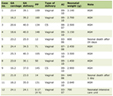 Click to view | Table 1. Vaginal CSTs and Pathophysiological Profiles [6, 12–15] |
Lactobacillus species protect the genital tract via lactic acid production, maintaining a low pH (∼4.0) that restricts growth of many pathogens [12–14]. Certain species (especially L. crispatus) also produce hydrogen peroxide and bacteriocins, compete for adhesion sites and nutrients, and modulate mucosal immunity, collectively suppressing opportunistic bacteria and viruses [6, 12–14].
Endometrial microbiome
The endometrium is now recognized as a low-biomass but biologically active niche distinct from, yet related to, the vagina [15, 16]. Its characterization relies almost entirely on 16S rRNA gene sequencing (and increasingly shotgun metagenomics) because culture-based methods miss many taxa [6, 15, 16]. A major methodological challenge is contamination from the vagina, cervix, laboratory reagents, and low DNA yield, making rigorous controls and in silico decontamination essential [15, 16].
Across studies, two broad endometrial profiles emerge: LD versus NLD communities [6, 11, 15, 16]. In LD endometria, Lactobacillus (often L. iners and L. crispatus) exceeds ∼80–90% relative abundance, while NLD communities show increased diversity and enrichment of other genera [6, 11, 15, 16].
Biological connection between vaginal and endometrial microbiota
As introduced above (Section “The endometrial–vaginal microbiota axis”), the vagina, cervix, and endometrium form a microbial continuum rather than isolated niches, with a gradient from higher-biomass, less-diverse vaginal communities to lower-biomass, more-diverse endometrial communities [8, 9, 15, 17]. Beyond cervical ascent, additional translocation vectors include sperm-mediated transport—spermatozoa can carry adherent bacteria into the upper tract—and uterine contractions, which promote upward or bidirectional fluid movement [8, 13]. These findings reinforce the concept of an endometrial–vaginal microbiota axis: interconnected ecosystems that jointly shape mucosal immunity, barrier function, and endometrial receptivity rather than acting as independent compartments [8, 9, 15, 17].
| Vaginal Microbiome and Implantation Outcomes in ART | ▴Top |
The configuration of the vaginal microbiome—particularly the balance between LD and dysbiotic communities—has been repeatedly linked to implantation and pregnancy outcomes in ART populations [6, 7, 11, 13, 15].
LD vaginal microbiota
Observational and prospective ART studies consistently show that LD vaginal communities are associated with higher implantation and pregnancy rates compared with dysbiotic or CST IV-type profiles [6, 7, 11, 13, 15].
Mechanistically, LD communities support implantation by:
- Suppressing pathogens (via lactic acid, H2O2, bacteriocins) and maintaining low pH, reducing ascent of bacterial vaginosis (BV)-associated taxa to the endometrium [12–14].
- Promoting an anti-inflammatory, tolerogenic mucosal environment, with reduced pro-inflammatory cytokines and lower activation of pathogen-response pathways, favoring embryo tolerance [13, 18].
- Stabilizing the endometrial–vaginal axis, as a healthy vaginal reservoir decreases likelihood of dysbiotic translocation to the uterus and chronic endometritis (CE) [7, 9, 15].
Among Lactobacillus species, L. crispatus-dominated CST I appears most protective, providing robust lactic acid and H2O2 production and stable colonization, whereas L. iners-dominated CST III is less stable and more often associated with intermediate or transitional states and adverse outcomes [6, 12, 13].
Species-level distinctions underlie this difference in protective capacity. L. crispatus produces both D- and L-lactic acid isomers, generates substantial H2O2 and bacteriocins, and forms a stable biofilm, together conferring strong colonization resistance and a consistently low, acidic vaginal pH. L. iners, by contrast, produces only the L-isomer of lactic acid, generally lacks H2O2 production, carries the cholesterol-dependent cytolysin inerolysin, and has a markedly reduced genome apparently adapted to a fluctuating, low-nutrient environment—properties that let it persist through, and sometimes precede, shifts toward dysbiosis rather than actively resisting them [6, 12–14].
Vaginal dysbiosis and implantation failure
Vaginal dysbiosis (CST IV/low-Lactobacillus state) characterized by over-representation of anaerobes is associated with infertility, RIF, and reduced ART success [6, 7, 11, 13, 19]. Key taxa frequently enriched in dysbiotic communities include Gardnerella, Prevotella, and Atopobium, often together with other BV-related organisms such as Sneathia, Megasphaera, and Mobiluncus [12–15]. Women with RIF exhibit higher vaginal diversity and increased abundance of genera such as Prevotella, Mobiluncus, Peptoniphilus, and Varibaculum compared with fertile controls [11, 19].
Proposed mechanisms by which dysbiosis impairs implantation include:
- Inflammation and cytokine dysregulation: BV-associated taxa induce pro-inflammatory chemokines, Th1-skewed responses, and disruption of the anti-inflammatory milieu required for implantation and early pregnancy maintenance [13, 18, 19].
- Biofilm formation: Gardnerella and Atopobium form resilient polymicrobial biofilms on the vaginal epithelium, protecting pathogens from host defenses and antibiotics, enabling persistent inflammation and potential ascending infection [12–14].
- Barrier disruption and ascending spread: Dysbiosis elevates vaginal pH, weakens epithelial tight junctions and mucus, facilitating upward movement of pathogenic taxa into the endometrium, where they can contribute to CE, altered receptivity gene expression, and implantation failure [9, 13, 15, 16].
| Endometrial Microbiome and Implantation Success | ▴Top |
LD endometrium
A central and consistent finding is that an LD endometrium (≥ 80–90% Lactobacillus spp.) is associated with higher implantation, clinical pregnancy, ongoing pregnancy, and live birth rates in ART [4, 6, 20].
The seminal work by Moreno et al defined Lactobacillus-dominated microbiota (LDM) as ≥ 90% Lactobacillus in endometrial fluid and non-Lactobacillus-dominated microbiota (NLDM) as < 90% Lactobacillus with > 10% other bacteria [21]. In infertile women undergoing IVF with a receptive endometrium, NLDM was associated with markedly reduced outcomes versus LDM:
- Implantation: 60.7% vs. 23.1%
- Pregnancy: 70.6% vs. 33.3%
- Ongoing pregnancy: 58.8% vs. 13.3%
- Live birth: 58.8% vs. 6.7% [21].
In a larger multicenter cohort of 342 infertile patients, Lactobacillus enrichment of the endometrium again correlated with favorable outcomes, whereas dysbiotic profiles enriched in Atopobium, Bifidobacterium, Chryseobacterium, Gardnerella, Haemophilus, Klebsiella, Neisseria, Staphylococcus, and Streptococcus predicted no pregnancy, biochemical pregnancy, or clinical miscarriage [4]. Similar associations between high Lactobacillus abundance and higher live birth probability have been confirmed in subsequent prospective work and reviews [6, 20, 22].
More recent analyses in RIF and RPL populations reinforce that > 90% endometrial Lactobacillus appears to define an “eubiotic” state linked with improved implantation and embryo development [20, 23]. Narrative reviews of 2017–2024 ART cohorts consistently report that Lactobacillus-rich endometria favor pregnancy and reduce miscarriage or RIF risk, despite methodological heterogeneity [6, 24].
Non-Lactobacillus endometrial microbiota
In contrast, NLD endometria, characterized by increased diversity and expansion of opportunistic or pathogenic taxa, are repeatedly associated with adverse reproductive outcomes. Dysbiotic profiles enriched in Gardnerella, Streptococcus, Enterococcus, Staphylococcus, Klebsiella, Bacteroides, Proteobacteria, and other anaerobes have been linked to:
- RIF: In a series of 141 women with RIF, the majority of endometrial samples were NLD, with increased Streptococcus, Staphylococcus, Neisseria, Klebsiella, and Bacteroides; these taxa are known to compromise epithelial integrity and are associated with failed implantation [20]. Another RIF study found decreased endometrial Lactobacillus and increased Gardnerella and Acinetobacter, alongside reduced receptivity markers [25].
- CE: CE is closely tied to dysbiotic endometria. Women with CE show dramatically reduced Lactobacillus abundance and greater representation of Dialister, Bifidobacterium, Prevotella, Gardnerella, Anaerococcus, and other anaerobes, with CE prevalence up to 66% in RIF cohorts [20]. CE-associated dysbiosis correlates with elevated pro-inflammatory gene expression and poorer ART outcomes [22, 26].
- Miscarriage and early pregnancy loss: NLD communities enriched in Hemophilus, Staphylococcus, Gardnerella, Enterococcus, and Pseudomonas have been associated with miscarriage and non-pregnancy in CE/RIF cohorts [22, 26]. Increased Ureaplasma, Fusobacterium, and Campylobacter in low-Lactobacillus endometria predict subsequent miscarriage or reduced live birth among RPL patients [22].
Mechanisms linking endometrial microbiota to implantation
The endometrial microbiota likely affects implantation through coordinated effects on immune modulation, endometrial receptivity signaling, and inflammatory pathways.
Immune modulation and T-regulatory cells
The peri-implantation endometrium is immunologically specialized, requiring a carefully balanced switch from pro-inflammatory to tolerogenic responses to permit embryo implantation while preserving antimicrobial defense [22, 26]. Dysbiotic microbiota in CE and RIF are associated with:
- Increased pro-inflammatory cytokines (e.g., interferon-gamma (IFN-γ), tumor necrosis factor-alpha (TNF-α), interleukin-1beta (IL-1β), interleukin-6 (IL-6), interleukin-17A/F (IL-17A/F), C-X-C motif chemokine ligand 8 (CXCL8)) and apoptotic pathways [22, 26, 27].
- Altered immune cell composition, with higher total T cells, activated natural killer (NK) cells, and disturbed Th1/Th17 balance in pathogen-positive endometria [27, 28].
In a large ART cohort stratified by endometrial pathogens, pathogen-only profiles were linked to reduced beta-human chorionic gonadotropin (β-hCG) positivity, clinical pregnancy, and live birth, together with increased T cells, activated NK cells, and heightened IL-1β, IL-17A/F, and CXCL8 expression [27]. Co-presence of Lactobacillus in pathogen-positive women partially normalized IL-17 levels and restored outcomes close to those of pathogen-negative patients, suggesting Lactobacillus acts as an immune bioregulator [27].
Mechanistically, commensals likely shape regulatory T cell (Treg) responses and dendritic cell maturation. In vitro, Lactobacillus strains dampen lipopolysaccharide-induced expression of costimulatory molecules and IL-12 in human dendritic cells, promoting a more tolerogenic phenotype consistent with Treg induction [22]. Reviews propose that an LD endometrium supports expansion of Tregs and limits Th1/Th17-driven inflammation crucial for immune tolerance to the semi-allogeneic embryo [6, 20, 22]. (Fig. 1).
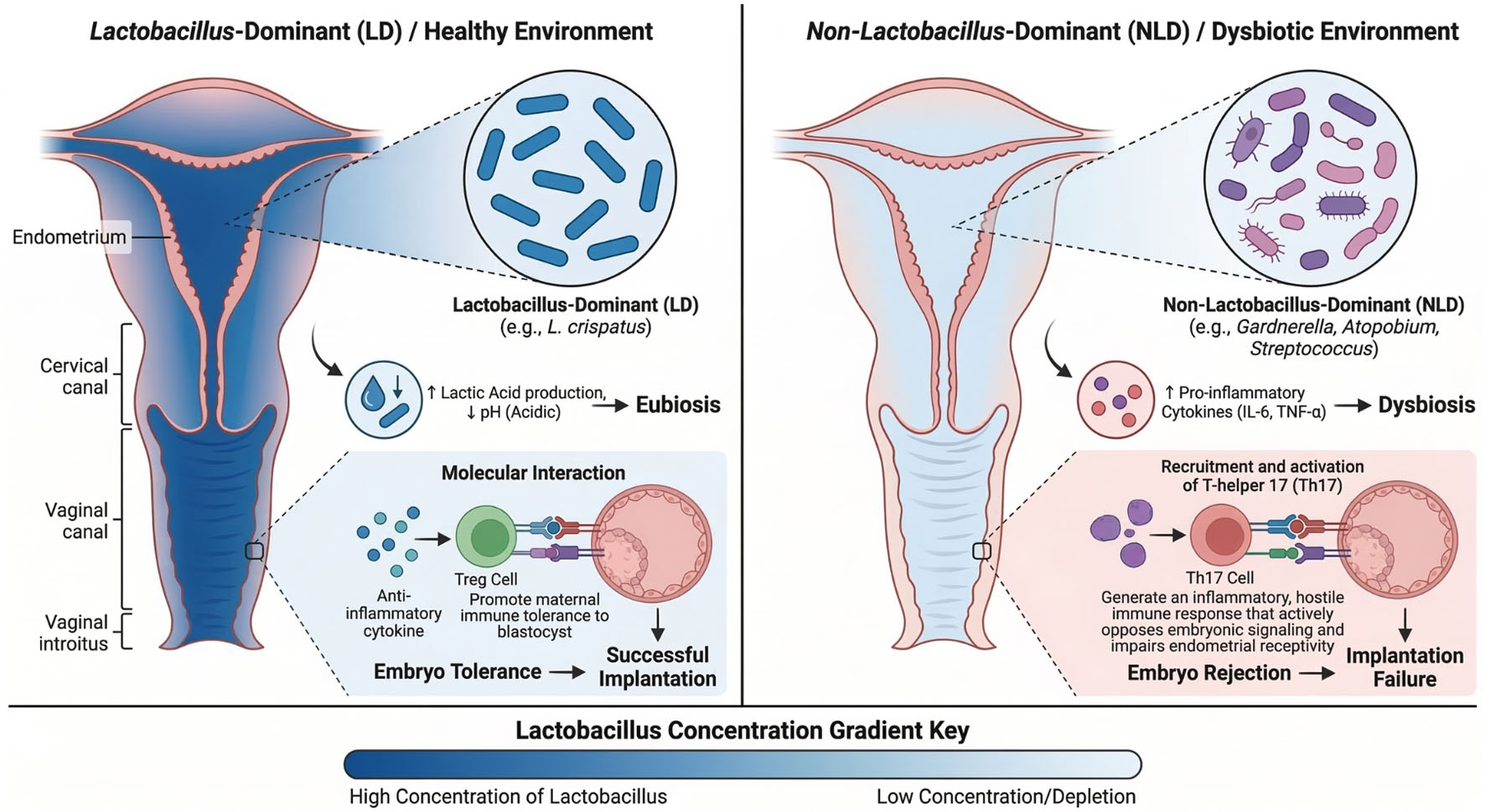 Click for large image | Figure 1. The endometrial–vaginal microbiota axis as a determinant of implantation success in ART. Source: original schematic created by the authors, synthesizing the immune-mechanistic evidence summarized in References [6, 20, 22, 27]. ART: assisted reproductive technology. |
Mucosal barrier integrity
Beyond cytokine dysregulation, dysbiotic communities compromise the physical mucosal barrier that normally separates luminal microbes and their products from the endometrial epithelium and stroma. BV-associated anaerobes secrete mucin-degrading glycosidases (e.g., sialidase, mucinase) and biofilm matrix components that erode the protective mucus layer, while their metabolic byproducts and lipopolysaccharide down-regulate epithelial tight-junction proteins (e.g., occludin, claudin-1, zonula occludens-1), increasing paracellular permeability. This barrier breakdown facilitates translocation of bacterial antigens and inflammatory mediators across the epithelium, amplifying local innate immune activation (e.g., Toll-like receptor–mediated release of TNF-α, IL-1β, and IL-6) and creating a feed-forward cycle of inflammation that further impairs epithelial integrity and receptivity signaling. Conversely, LD communities help preserve tight-junction expression and mucus-layer thickness, limiting antigen translocation and supporting the immunologically quiescent state required for trophoblast invasion [13–15, 26].
Endometrial receptivity markers
Dysbiosis also appears to impact molecular markers of endometrial receptivity. In RIF cohorts [25], NLD endometria show decreased expression of leukemia inhibitory factor (LIF), integrin αvβ3, HOXA10/HOXA11, matrix metalloproteinase-9, and vascular endothelial growth factor (VEGF) compared with controls who conceived in their first transfer cycle [25]. Abundances of Lactobacillus, Gardnerella, and Acinetobacter correlated with expression of these markers, suggesting that microbial composition can modulate implantation-critical signaling [25].
Functional profiling in CE-RIF patients indicates that dysbiotic microbiota alters metabolic pathways (e.g., cofactors, vitamins, secondary metabolites) and enhances synthesis of lipopolysaccharide (LPS), which in turn promotes Th17 responses and perturbs the Th1/Th17/Treg balance [26, 28]. Such inflammation can down-regulate receptivity genes, disrupt epithelial junctions, and impair embryo adhesion [20, 25, 26, 28].
In germ-free versus colonized mouse models, reproductive success after embryo transfer is lower in germ-free animals, supporting a requirement for commensal-driven immune conditioning of the endometrium [29]. Table 2 summarizes these proposed mechanisms.
Click to view | Table 2. Proposed Mechanisms Linking the Genital Microbiota Axis to ART Outcomes [4, 6, 20, 22, 25–28] |
| Microbiota Axis and Live Birth Outcomes | ▴Top |
Most studies focus on implantation or early clinical pregnancy, yet emerging data link the endometrial–vaginal microbiota axis not only to implantation but also to miscarriage risk and live birth.
Prospective and multicenter cohorts show that Lactobacillus-enriched endometrial microbiota before embryo transfer predicts higher live birth and lower miscarriage compared with dysbiotic profiles [4, 6, 22].
Microbiota, early pregnancy, and miscarriage
Several lines of evidence connect dysbiosis to early pregnancy loss: in chronic endometritis, severe endometrial Lactobacillus depletion (≈1.9% vs. 80.7% in controls) co-occurs with increased IFN-γ/TNF-α expression and recurrent miscarriage [22]; in recurrent-miscarriage and unexplained-RPL cohorts, elevated Ureaplasma, Fusobacterium, Campylobacter, Hemophilus or Staphylococcus abundance consistently predicts subsequent miscarriage or reduced cumulative live birth, in contrast to Lactobacillus-enriched profiles, which associate with higher live birth likelihood [6, 22, 30].
Integration across the microbiota axis
Systematic and narrative reviews emphasize that LD vaginal and endometrial communities together—the core of the endometrial–vaginal microbiota axis—are associated with higher implantation, clinical pregnancy, and live birth, and lower miscarriage rates, whereas combined vaginal and endometrial dysbiosis predicts RIF, RPL, and reduced ART success [1, 6, 20, 31]. The vaginal microbiome meta-analysis demonstrates that women with a favorable, Lactobacillus-rich microbiome have significantly higher pregnancy and live birth rates and fewer miscarriages than those with unfavorable profiles, supporting the concept that lower-tract dysbiosis can propagate along the axis to affect uterine and obstetric outcomes [31].
| Microbiome-Based Biomarkers for Predicting ART Outcomes | ▴Top |
Emerging work is moving the reproductive microbiome from association toward predictive tools for ART.
Microbiome profiling methods
Most ART-focused studies use 16S rRNA gene sequencing of vaginal, cervical, or endometrial samples, typically targeting V1–V3 or V3–V4 regions on Illumina or Nanopore platforms [32–35]. These approaches provide genus- to species-level resolution and have repeatedly identified Lactobacillus dominance and BV-associated taxa as key signals [7, 32–35]. However, 16S results are highly sensitive to primer choice, DNA extraction, and bioinformatic pipeline, with documented overestimation of L. iners and under-detection of important pathogens [33, 34].
Shotgun metagenomics/whole-genome sequencing (WGS) offers strain-level resolution and functional profiling, and is increasingly used in ART cohorts. A large multicenter study applied WGS to vaginal and rectal samples, achieving ≥ 30 million reads/sample and identifying taxa linked to pregnancy and live birth outcomes [36]. Reviews highlight metagenomics as the next step for robust, strain-resolved diagnostics, especially in low-biomass endometrium [33, 37].
Predictive microbial signatures
Several groups have derived predictive microbial signatures for ART (Table 3):
Click to view | Table 3. Proposed Microbiome-Based Biomarkers for Personalized ART Prediction [32, 35–39] |
- The Koedooder “ReceptIVFity” model used a small panel of vaginal taxa (including Lactobacillus crispatus abundance and BV-associated species) to stratify IVF patients into favorable vs. unfavorable profiles, correctly predicting implantation failure in 94% of women labeled “low chance” [38]. A dedicated validation protocol now evaluates urinary and vaginal microbiome (NGS + IS-pro) as predictors of IVF/ICSI outcome [39].
- Cervical 16S profiling with penalized logistic regression (PELORA) identified a core set of species discriminating favorable vs. unfavorable ART outcomes. Higher abundance of L. crispatus, L. salivarius, L. rhamnosus, and Bifidobacterium, and lower L. iners and Atopobium vaginae, characterized women who conceived [32].
- Vaginal 16S/long-read sequencing studies show that LD, low-diversity communities (especially CST I, L. crispatus) and reduced Gardnerella/Atopobium/Sneathia/Prevotella consistently associate with higher implantation and pregnancy rates [19, 33–35].
Systematic reviews conclude that genital tract microbiota profiles are promising predictors of ART outcome, but heterogeneity and lack of standardization impede clinical translation [7, 35]. Early machine-learning models integrating community state types with clinical variables are viewed as promising but still require external validation [37].
Toward personalized ART strategies
Conceptually, microbiome-based biomarkers could enable:
- Risk stratification before stimulation/transfer: unfavorable vaginal or endometrial profiles (low Lactobacillus, high BV-associated taxa) could flag patients for delay of transfer and microbiome optimization [19, 35–38].
- Microbiome-guided protocol choices: incorporating CST or specific taxa into ART algorithms alongside age, ovarian reserve, and embryo quality, as proposed in recent frameworks [19, 36, 37].
- Monitoring response to interventions (probiotics/antibiotics/VMT) using repeated 16S or metagenomic profiling to confirm transition to an LD, “eubiotic” state before embryo transfer [32, 36, 37].
At present, guidelines emphasize that microbiome testing remains exploratory; robust, standardized, contamination-controlled trials are needed before universal adoption in ART workflows [33, 35, 37].
| Therapeutic Modulation of the Reproductive Microbiome | ▴Top |
Therapeutic strategies aim to shift dysbiotic genital tract communities toward LD states to improve ART outcomes, but evidence is still emerging. Table 4 summarizes current and emerging therapeutic approaches and their evidence base.
Click to view | Table 4. Current and Emerging Therapeutic Modulations of the Genital Microbiome [35, 37, 40–45] |
Probiotics
Systematic reviews of vaginal probiotics for reproductive dysbiosis (mainly BV) show moderate microbiota modulation—decreased abnormal flora and increased Lactobacillus abundance—particularly with vaginal, high-dose regimens (≥ 108–101°CFU/day), though protocols and endpoints remain heterogeneous and few trials report IVF outcomes [35, 40]. ART-focused studies show biological promise but clear limits: precision oral consortia of vaginal Lactobacillus strains shifted CST-III/IV toward more favorable states in women with prior IVF failure, though clinical pregnancy data remain preliminary [41]; case series converting NLD to LD endometria report inconsistent, often underpowered pregnancy gains [35]; and colonization resistance and host-strain specificity remain major barriers to durable engraftment [37, 40, 42]. Vaginal- or endometrium-targeted Lactobacillus strains (especially L. crispatus) are biologically plausible, but high-quality, strain-resolved trials with implantation and live birth as endpoints are still lacking [35, 37, 40–42].
Antibiotics
Antibiotics (typically metronidazole or clindamycin for BV; broad-spectrum agents for chronic endometritis in RIF/RPL) achieve high short-term cure rates, and observational studies show improved implantation after histologic resolution of CE [32, 37, 40, 42, 43]. However, BV recurrence is common without concurrent microbiome restoration, and antibiotics risk broader microbiome disruption, resistance selection, and collateral damage to protective Lactobacillus [7, 40, 42]. Most authors advocate reserving antibiotics for clearly documented infections and pairing them with targeted probiotics or vaginal microbiome transplantation (VMT) rather than empiric use before ART [35, 37, 40, 42, 43].
Emerging therapies
VMT
VMT—transfer of vaginal fluid from a healthy donor to a recipient with refractory dysbiosis—has restored Lactobacillus dominance and resolved symptoms in small BV series where antibiotics failed [42–44]. Reviews propose VMT as a candidate adjunct for ART candidates with persistent dysbiosis, contingent on stringent donor screening, standardized protocols, and long-term safety monitoring before routine fertility use [37, 42–44].
Targeted and microbiome-guided approaches
Strain-selected probiotics (e.g., L. crispatus, L. gasseri), biofilm disruptors paired with antimicrobials, and precision probiotics matched to individual CST/pathogen profiles are all under early investigation, with demonstrated colonization shifts but still sparse ART-specific outcome data [40–42, 45]. Proposed microbiome-guided IVF frameworks would screen vaginal (and selectively endometrial) microbiota, classify favorable versus unfavorable profiles, modulate dysbiosis before transfer, and incorporate microbiome status into predictive counseling algorithms [19, 35–37]. Systematic reviews emphasize, however, that despite biologic plausibility, routine microbiome-directed ART protocols remain premature and should currently be limited to research or highly selected clinical contexts with careful follow-up [7, 33, 35, 37].
| Discussion | ▴Top |
Summary of evidence
Across the female reproductive tract, LD communities, particularly L. crispatus-rich profiles, are generally linked to more favorable ART outcomes, whereas dysbiosis (reduced Lactobacillus with expansion of anaerobic or pathogenic taxa, including bacterial vaginosis–like communities) is associated with lower implantation, pregnancy, and live birth rates and with early pregnancy loss [4–6, 33, 43, 46, 47]. Mechanistically, dysbiosis is thought to impair mucosal barriers, raise vaginal and endometrial pH, and trigger pro-inflammatory responses that disrupt endometrial receptivity and early placentation [4, 6, 43, 46].
Sources of conflicting findings
Despite these broad patterns, notable discrepancies exist. Some cohorts have not found differences in implantation or miscarriage rates between LD and dysbiotic endometrial profiles, and successful pregnancies have been reported even with low Lactobacillus abundance [4, 46]. Several methodological and biological factors likely underlie these conflicts:
- Contamination and low biomass: The endometrium is a low-biomass niche, making 16S and metagenomic studies highly vulnerable to reagent and environmental DNA contamination, which can dominate signal when bacterial load is low [46, 48, 49]. Inadequate negative controls and decontamination pipelines can therefore create spurious “microbiomes” or obscure true patterns.
- Sampling differences: Studies differ in sampling site (endometrial biopsy vs. fluid; lower vs. upper vagina; cervix vs. posterior fornix), timing (cycle phase, stimulation stage, pre- vs. post-progesterone, pre- vs. post-transfer), and collection technique (self-sampling vs. clinician sampling, catheter vs. pipelle). These variations influence both composition and biomass and limit comparability [5, 6, 15, 33].
- Sequencing methods and bioinformatics: Heterogeneity in 16S variable regions, primer sets, library preparation, and reference databases, as well as arbitrary thresholds for “Lactobacillus dominance,” introduces substantial bias and can change classification of community state types and dysbiosis [5, 33, 49–51].
- Ethnic and geographic variation: Community patterns differ across ethnic groups and regions, and most studies are from limited geographic settings [5, 6, 52]. Baseline differences in microbiota composition may explain why “dysbiotic” profiles in one population do not confer the same risk in another, contributing to conflicting associations.
These sources of heterogeneity are illustrated by representative studies that used different sample types and analytic platforms (16S rRNA sequencing, qPCR, and shotgun metagenomics), summarized in Table 5.
Click to view | Table 5. Representative Studies Illustrating Sampling and Technological Heterogeneity [4, 8, 15, 21, 32, 36, 38, 39] |
Clinical implications
The association between genital tract microbiota and ART outcomes raises the question of routine pre-IVF screening, which cannot currently be recommended: evidence remains largely observational, from small, single-center cohorts, with no consensus on a “normal” microbiome or validated dysbiosis cut-offs, and no published randomized trial yet shows that screening plus treatment improves live birth in unselected patients [5, 6, 46, 51–54]. Feasibility is also limited: current 16S/qPCR assays are unstandardized, lack regulatory approval in many settings, and routine use risks overtreatment and disruption of beneficial Lactobacillus communities [5, 6, 50, 51, 55]. A more defensible near-term approach is targeted assessment in high-risk subgroups (RIF, RPL, chronic endometritis) within research or specialized programs using standardized, validated protocols, though clear management algorithms and outcome data remain lacking even there [1, 5, 6, 56].
Integration into personalized ART
Despite these uncertainties, the reproductive tract microbiome remains a promising component of personalized ART: LD communities, particularly those enriched in L. crispatus, may serve as favorable biomarkers, while specific dysbiotic signatures could flag implantation risk—potentially combined with clinical variables (age, ovarian reserve, embryo ploidy) and immune markers in individualized prediction models [1, 5, 6, 33, 46, 47, 52]. Future microbiome-guided treatment might include pre-conception optimization, targeted treatment of dysbiosis, and timing embryo transfer to favorable profiles—strategies that ongoing multicenter randomized controlled trials (RCTs) of antibiotics and Lactobacillus supplementation will need to validate before safe integration into ART workflows [1, 5, 6, 46, 51, 53, 54] (Fig. 2).
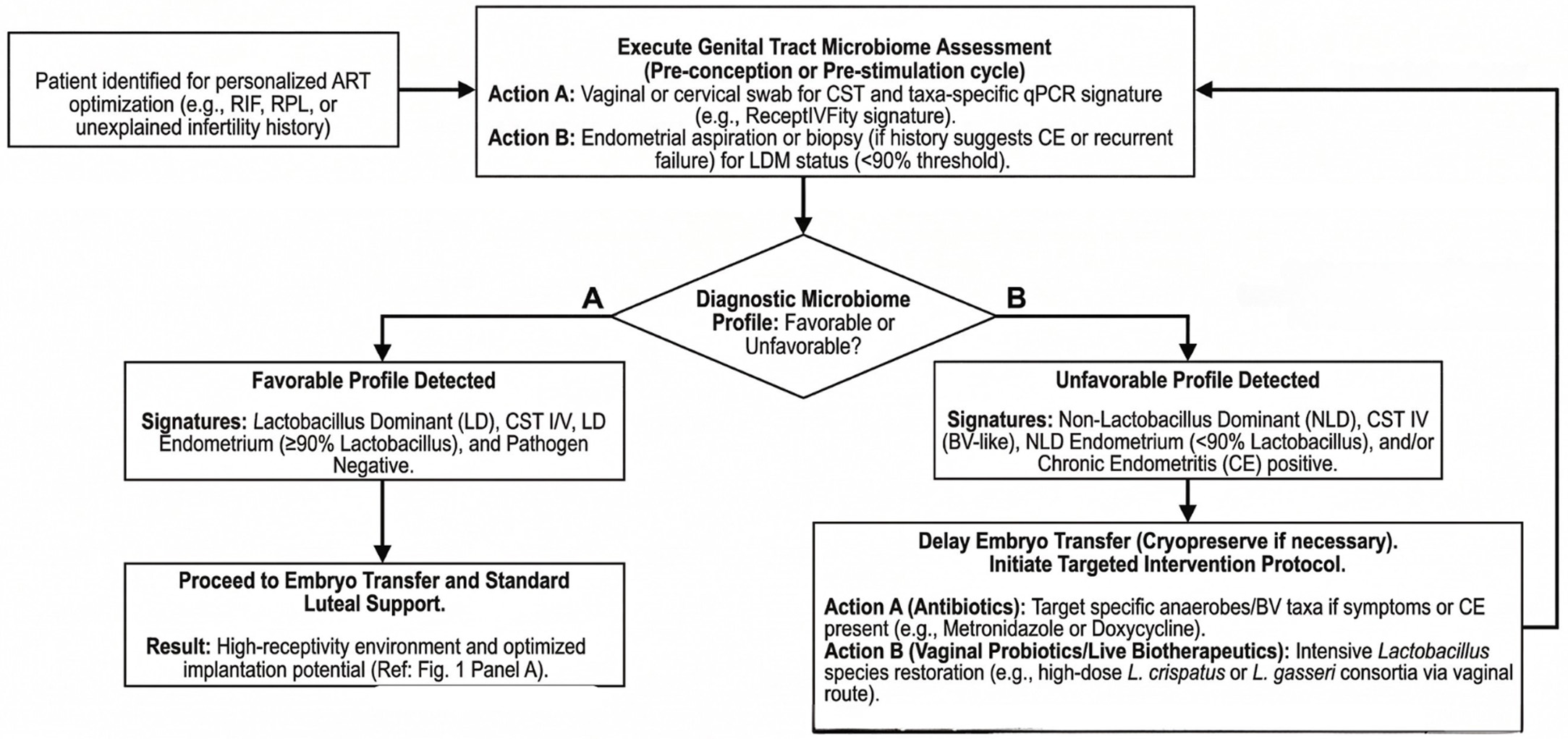 Click for large image | Figure 2. Clinical pathway decision tree: proposal for a personalized, microbiome-guided clinical pathway in ART. Source: original schematic proposed by the authors, adapting the microbiome-guided pathway concepts and intervention evidence summarized in References [35, 37–39, 51, 53]. Diagrammatic proposal for a future evidence-based ART pathway, whereby universal or targeted microbiota screening (vagina, cervix, endometrium) is integrated into personalized risk stratification. This model suggests that the detection of an unfavorable (NLD) microbiome signature should trigger the delay of embryo transfer in favor of targeted antibiotic and probiotic intervention loops to optimize endometrial receptivity before transfer. ART: assisted reproductive technology; CE: chronic endometritis; CST: community state type; LD: Lactobacillus-dominant; NLD: non-Lactobacillus-dominant; RIF: recurrent implantation failure; RPL: recurrent pregnancy loss. |
| Limitations of Current Evidence | ▴Top |
Current evidence on the endometrial–vaginal microbiota axis in ART is constrained by several major limitations. Most studies are small (tens to low hundreds of women) and cross-sectional or retrospective, capturing microbiota at a single time point per cycle; this limits statistical power and the ability to distinguish cause from consequence or capture dynamic changes across the cycle or ART treatment [1, 5, 6, 46, 52]. Randomized trials of microbiome-targeted therapies remain scarce and mostly protocol-stage, so definitive implantation and live-birth outcome data are still pending [5, 6, 51, 53, 54], while obtaining uncontaminated endometrial samples is technically demanding and many samples yield insufficient DNA for robust sequencing [1, 6, 33, 46]. Most cohorts also come from a narrow range of regions (chiefly Asia and Europe) with limited ethnic and socioeconomic diversity, reducing generalizability and complicating any universal definition of a “healthy” versus dysbiotic state [1, 5, 6, 46].
These limitations, together with the low-biomass contamination risk discussed in Section “Sources of conflicting findings” (reagent and laboratory contamination can dominate the sequencing signal when bacterial load is low) [48, 49, 57], mean that, although associations between Lactobacillus dominance, dysbiosis, and ART outcomes are compelling, the strength of causal inference remains modest; larger, multicenter, longitudinal, and interventional studies with rigorous contamination control and standardized methods are essential before the microbiome can be fully integrated into evidence-based ART practice.
| Future Research Directions | ▴Top |
Future work should transition from small, heterogeneous cohorts to rigorously designed, mechanistic, and interventional studies to clarify how the genital tract microbiome affects implantation and live birth in ART [2, 7, 35, 46, 52].
Multicenter, well-powered clinical trials
Conduct large, multicenter prospective cohorts and randomized trials—with standardized sampling, sequencing, and bioinformatic pipelines—to validate microbial signatures predicting implantation, pregnancy, and live birth across clinics, ethnicities, and ART protocols, and embed microbiome endpoints into RCTs of antibiotics, probiotics, and modified embryo-transfer strategies to move from association to causality [2, 4, 6, 7, 19, 36, 38, 39, 52, 57, 58].
Longitudinal tracking and multi-omics integration
Track vaginal, cervical, and endometrial microbiota longitudinally—from pre-conception through stimulation, embryo transfer, and postpartum—relating temporal stability or recurrent dysbiosis to implantation, miscarriage, and live birth; integrating these data with metatranscriptomics, metabolomics, and host endometrial transcriptomics; and applying systems biology and machine learning to build multimodal prediction models linking microbial taxa and function to receptivity pathways and couple-level “microbial phenotypes” [1, 2, 4, 6, 7, 19, 36, 38, 39, 46, 52, 58, 59].
Microbiome-targeted therapies
Design RCTs of strain-defined Lactobacillus probiotics/live biotherapeutics (e.g., L. crispatus vs. L. iners) and rational antibiotic regimens for chronic endometritis or pronounced dysbiosis, using live birth as the primary endpoint, while piloting innovative approaches—such as vaginal microbiota transplantation or transfer timed to a “favorable” profile—under strict safety oversight, and developing validated, clinically deployable assays and decision algorithms for personalized, microbiome-guided ART [1, 2, 4, 6, 7, 19, 32, 52, 58, 59].
Two priorities stand out as prerequisites for clinical translation: establishing standardized, validated contamination-control and negative-control protocols for low-biomass sampling across study sites, and conducting adequately powered randomized controlled trials of microbiome-targeted interventions—antibiotics, Lactobacillus biotherapeutics, and vaginal microbiota transplantation—with implantation and live birth as primary endpoints.
| Conclusion | ▴Top |
Evidence from endometrial, cervical, vaginal, and couple-based studies indicates that the female genital tract microbiota axis is an important determinant of implantation, ongoing pregnancy, and live birth in ART [2, 4, 7, 52, 58]. Dysbiotic profiles enriched in opportunistic or BV-associated taxa (e.g., Gardnerella, Atopobium, Prevotella, Streptococcus) are repeatedly linked to recurrent implantation failure, biochemical pregnancy, and miscarriage [4, 7, 32, 52, 58].
Across niches, Lactobacillus dominance—particularly L. crispatus–rich, low-diversity communities—is generally associated with superior implantation, clinical pregnancy, and live birth rates, although some data suggest that a sterile or near-sterile endometrium may be equally or more favorable in certain settings [4, 7, 46, 52, 58]. These patterns support a model in which Lactobacilli help maintain low pH, suppress pathogens, and promote an immune-tolerant, receptive endometrium, while dysbiosis induces inflammation and disrupts implantation [2, 7, 52, 58, 60].
Methodological limitations—small samples, cross-sectional designs, low-biomass contamination risk, and lack of interventional trials—mean that causality is not yet firmly established, and no universally accepted “healthy” microbiome signature or treatment algorithm exists [2, 6, 7, 35, 52]. Nevertheless, converging observational and emerging prospective data indicate that future ART practice is likely to incorporate microbiome profiling, at least in high-risk groups, and potentially more broadly as assays and evidence mature [4, 7, 19, 35, 46, 58]. Realizing this potential requires, as immediate priorities, standardized contamination controls for low-biomass samples and adequately powered RCTs of microbiome-targeted treatments.
Acknowledgments
The authors thank INSCRIBE Research Program by INCREDOC for continued guidance throughout this project.
Financial Disclosure
The authors received no financial support or funding for the research, authorship, or publication of this article.
Conflict of Interest
The authors declare that they have no competing financial interests or personal relationships that could have appeared to influence the work reported in this paper.
Author Contributions
Sayali Kulkarni: conceptualization, project administration and supervising, writing – original draft, and final editing and revisions. Dr. Atroba Zaheer: conceptualization, methodology, resources, supervision, and writing – review and editing. Sneh Joshi: data curation, literature screening, and visualization of figures. Heli Chauhan: data curation, formal analysis, and visualization of figures. Chandana Sri Kalapala: formal analysis, validation, and writing – original draft. Akula Subramanya Sri Mahesh: resources, literature screening, and writing – original draft. Divyesh Kadiyala: investigation, validation, and writing – review and editing.
Data Availability
Data sharing is not applicable to this article as no new datasets were generated or analyzed during the current study. All information reviewed is derived from previously published, publicly available guidelines and literature.
AI Use Declaration
The authors used ChatGPT and Claude as an assistive tool for language refinement, to condense text and improve manuscript structure and readability. All scientific content, interpretation of evidence, reference selection, verification of cited information, critical analysis, and final manuscript editing were performed and reviewed by the authors. No AI tool was used to generate original research data, perform analyses, or make scientific conclusions. The authors take full responsibility for the accuracy, integrity, and originality of the submitted work and have reviewed all AI-assisted content prior to submission.
| References | ▴Top |
- Su W, Gong C, Zhong H, Yang H, Chen Y, Wu X, Jin J, et al. Vaginal and endometrial microbiome dysbiosis associated with adverse embryo transfer outcomes. Reprod Biol Endocrinol. 2024;22(1):111.
doi pubmed - Fasoulakis Z, Papageorgiou D, Papanikolaou A, Chatziioannou M, Sapantzoglou I, Pegkou A, Daskalakis G, et al. Impact of the female genital microbiota on outcomes of assisted reproductive techniques. Biomedicines. 2025;13(6):1332.
doi pubmed - Sirota I, Zarek SM, Segars JH. Potential influence of the microbiome on infertility and assisted reproductive technology. Semin Reprod Med. 2014;32(1):35-42.
doi pubmed - Moreno I, Garcia-Grau I, Perez-Villaroya D, Gonzalez-Monfort M, Bahceci M, Barrionuevo MJ, Taguchi S, et al. Endometrial microbiota composition is associated with reproductive outcome in infertile patients. Microbiome. 2022;10(1):1.
doi pubmed - Al-Nasiry S, Ambrosino E, Schlaepfer M, Morre SA, Wieten L, Voncken JW, Spinelli M, et al. The interplay between reproductive tract microbiota and immunological system in human reproduction. Front Immunol. 2020;11:378.
doi pubmed - Balla B, Illes A, Tobias B, Piko H, Beke A, Sipos M, Lakatos P, et al. The role of the vaginal and endometrial microbiomes in infertility and their impact on pregnancy outcomes in light of recent literature. Int J Mol Sci. 2024;25(23).
doi pubmed - Punzon-Jimenez P, Labarta E. The impact of the female genital tract microbiome in women health and reproduction: a review. J Assist Reprod Genet. 2021;38(10):2519-2541.
doi pubmed - Chen C, Song X, Wei W, Zhong H, Dai J, Lan Z, Li F, et al. The microbiota continuum along the female reproductive tract and its relation to uterine-related diseases. Nat Commun. 2017;8(1):875.
doi pubmed - Wang J, Li Z, Ma X, Du L, Jia Z, Cui X, Yu L, et al. Translocation of vaginal microbiota is involved in impairment and protection of uterine health. Nat Commun. 2021;12(1):4191.
doi pubmed - Avino F, Perez-Prieto I, Salas-Espejo E, Vargas E, Rodriguez-Santisteban A, Sola-Leyva A, Ruiz-Duran S, et al. P-336 Assessing the female reproductive tract microbiome: evidence of a continuous microbial landscape. Human Reproduction. 2025;40(Suppl 1):deaf097.644.
doi - Riganelli L, Iebba V, Piccioni M, Illuminati I, Bonfiglio G, Neroni B, Calvo L, et al. Structural variations of vaginal and endometrial microbiota: hints on female infertility. Front Cell Infect Microbiol. 2020;10:350.
doi pubmed - France M, Alizadeh M, Brown S, Ma B, Ravel J. Towards a deeper understanding of the vaginal microbiota. Nat Microbiol. 2022;7(3):367-378.
doi pubmed - Amabebe E, Anumba DOC. The vaginal microenvironment: the physiologic role of lactobacilli. Front Med (Lausanne). 2018;5:181.
doi pubmed - Ceccarani C, Foschi C, Parolin C, D'Antuono A, Gaspari V, Consolandi C, Laghi L, et al. Diversity of vaginal microbiome and metabolome during genital infections. Sci Rep. 2019;9(1):14095.
doi pubmed - Polifke A, von Schwedler A, Gulba R, Bensmann R, Dilthey A, Nassar NNR, Finzer P. Differential characteristics of vaginal versus endometrial microbiota in IVF patients. Sci Rep. 2024;14(1):30508.
doi pubmed - Stoyancheva G, Mihaylova N, Gerginova M, Krumova E. Endometrial microbiome and reproductive receptivity: diverse perspectives. Int J Mol Sci. 2025;26(21).
doi pubmed - Canha-Gouveia A, Perez-Prieto I, Rodriguez CM, Escamez T, Leones-Banos I, Salas-Espejo E, Prieto-Sanchez MT, et al. The female upper reproductive tract harbors endogenous microbial profiles. Front Endocrinol (Lausanne). 2023;14:1096050.
doi pubmed - Amiri A, Kargar R, Hosseini FS, Hemmatzadeh M, Mohammadi H. The interplay between vaginal microbiota and immune system in recurrent pregnancy loss and repeated implantation failure. J Reprod Immunol. 2025;172:104743.
doi pubmed - Chen X, Sui Y, Gu J, Wang L, Sun N. Implication of the vaginal microbiome in female infertility and assisted conception outcomes. Genomics Proteomics Bioinformatics. 2025;23(4).
doi pubmed - Gao X, Louwers YV, Laven JSE, Schoenmakers S. Clinical relevance of vaginal and endometrial microbiome investigation in women with repeated implantation failure and recurrent pregnancy loss. Int J Mol Sci. 2024;25(1).
doi pubmed - Moreno I, Codoner F, Vilella F, Valbuena D, Martinez-Blanch J, Jimenez-Almazan J, Alonso R, et al. Evidence that the endometrial microbiota has an effect on implantation success or failure. Obstet Gynecol Surv. 2016;72(6):341-342.
doi - Odendaal J, Black N, Bennett PR, Brosens J, Quenby S, MacIntyre DA. The endometrial microbiota and early pregnancy loss. Hum Reprod. 2024;39(4):638-646.
doi pubmed - Blazheva S, Pachkova S, Bodurska T, Ivanov P, Blazhev A, Lukanov T, Konova E. Unlocking the uterine code: microbiota, immune cells, and therapy for recurrent reproductive failure. Microorganisms. 2024;12(3).
doi pubmed - Weber S, Samama M, De Arruda Veiga E, Da Silva M, Di Bella Z. The endometrial microbiota in assisted reproduction outcomes: a narrative review. J Gynecol Res Rev Rep. 2025;7(6):1-6.
doi - Zhang R, Wang M, Zhong J, Xue H. Altered endometrial microbiota profile is associated with poor endometrial receptivity of repeated implantation failure. Am J Reprod Immunol. 2024;92(5):e70005.
doi pubmed - Zhang H, Zou H, Zhang C, Zhang S. Chronic endometritis and the endometrial microbiota: implications for reproductive success in patients with recurrent implantation failure. Ann Clin Microbiol Antimicrob. 2024;23(1):49.
doi pubmed - Ruiz M, Sarasa J, Ferrandez-Rives M, Jurado I, Mateu-Albero T, Marin A, Khasanova M, et al. O-303 Detection of microbial pathogens in endometrium alters the endometrial immune status and significantly lowers success rates in assisted reproduction treatments. Human Reproduction. 2025;40(Suppl 1):deaf097.303.
doi - Chen P, Chen P, Guo Y, Fang C, Li T. Interaction between chronic endometritis caused endometrial microbiota disorder and endometrial immune environment change in recurrent implantation failure. Front Immunol. 2021;12:748447.
doi pubmed - Miyagi M, Mekaru K, Tanaka SE, Arai W, Ashikawa K, Sakuraba Y, Nakamura R, et al. Endometrial and vaginal microbiomes influence assisted reproductive technology outcomes. JBRA Assist Reprod. 2023;27(2):267-281.
doi pubmed - Kito S, Goto S, Yoshihara H, Chihiro B, Sawada Y, Kitaori T, Sato T, et al. P-429 Fusobacterium may reduce subsequent live birth rate in patients with unexplained recurrent pregnancy loss. Human Reproduction. 2025;40(Suppl 1):deaf097.735.
doi - Samama M, Ueno J, Carvalho de Arruda Veiga E, Piscopo R, Ikeda F, Pires de Lemos N, Tadeu Bidinotto L, et al. Vaginal microbiome and its relationship with assisted reproduction: a systematic review and meta-analysis. Life (Basel). 2025;15(9).
doi pubmed - Villani A, Fontana A, Barone S, de Stefani S, Primiterra M, Copetti M, Panebianco C, et al. Identifying predictive bacterial markers from cervical swab microbiota on pregnancy outcome in woman undergoing assisted reproductive technologies. J Clin Med. 2022;11(3).
doi pubmed - Davidson IM, Nikbakht E, Haupt LM, Ashton KJ, Dunn PJ. Methodological approaches in 16S sequencing of female reproductive tract in fertility patients: a review. J Assist Reprod Genet. 2025;42(1):15-37.
doi pubmed - Davidson IM, Nikbakht E, Haupt LM, Dunn PJ. Toward accurate vaginal microbiome profiling: protocol, bioinformatics, and core microbiota characterisation. J Assist Reprod Genet. 2025;42(7):2421-2436.
doi pubmed - Dube R, Kar SS. Genital microbiota and outcome of assisted reproductive treatment-a systematic review. Life (Basel). 2022;12(11).
doi pubmed - Behrendt-Moller I, Vomstein T, Pereira M, Yde A, Dalgaard C, Eskildsen K, Nohr B, et al. P-499 the influence of the rectal, vaginal, and seminal microbiomes on reproductive outcome in assisted reproduction - a multicenter prospective cohort study. Human Reproduction. 2025;40(Suppl 1):deaf097.805.
doi - Talakokkula S. Vaginal and endometrial microbiome: the next frontier in infertility and gynecological disorders. Journal of Gynecology Research Reviews & Reports. 2025;7(9):1-3.
doi - Koedooder R, Singer M, Schoenmakers S, Savelkoul P, Savelkoul P, Morre S, Morre S, et al. The vaginal microbiome as a predictor for outcome of in vitro fertilization with or without intracytoplasmic sperm injection: a prospective study. Obstetrical & Gynecological Survey. 2019;74(10):596-597.
doi - Koedooder R, Singer M, Schoenmakers S, Savelkoul PHM, Morre SA, de Jonge JD, Poort L, et al. The ReceptIVFity cohort study protocol to validate the urogenital microbiome as predictor for IVF or IVF/ICSI outcome. Reprod Health. 2018;15(1):202.
doi pubmed - Lopez-Moreno A, Aguilera M. Vaginal probiotics for reproductive health and related dysbiosis: systematic review and meta-analysis. J Clin Med. 2021;10(7).
doi pubmed - Cocomazzi G, Contu V, De Stefani S, Del Pup L, Buccheri M, Antinori M, Parmegiani L, et al. Refining unfavorable vaginal microbial community in infertile women subjected to precision probiotic intervention: an exploratory single-arm, prospective, open-label, interventional study. Microorganisms. 2025;13(3).
doi pubmed - Dube-Zinatelli E, Cappelletti L, Ismail N. The vaginal microbiome in bacterial vaginosis: Pathogenesis, reproductive impacts, and emerging therapies. J Reprod Immunol. 2025;172:104804.
doi pubmed - Wu S, Hugerth LW, Schuppe-Koistinen I, Du J. The right bug in the right place: opportunities for bacterial vaginosis treatment. NPJ Biofilms Microbiomes. 2022;8(1):34.
doi pubmed - Meng Y, Sun J, Zhang G. Vaginal microbiota transplantation is a truly opulent and promising edge: fully grasp its potential. Front Cell Infect Microbiol. 2024;14:1280636.
doi pubmed - Perez M, Armengol E, Del Casale A, Campedelli I, Aldea-Perona A, Perez Otero M, Rodriguez-Palmero M, et al. Lactobacillus gasseri CECT 30648 shows probiotic characteristics and colonizes the vagina of healthy women after oral administration. Microbiol Spectr. 2025;13(9):e0021125.
doi pubmed - Toson B, Simon C, Moreno I. The Endometrial Microbiome and Its Impact on Human Conception. Int J Mol Sci. 2022;23(1).
doi pubmed - Liu S, Chen Y, Zhang K, Tang D, Zhang J, Wang Y, Zhao J, et al. Exploring vaginal microbiome: from traditional methods to metagenomic next-generation sequencing-a systematic review. Front Microbiol. 2025;16:1578681.
doi pubmed - Perez-Munoz ME, Arrieta MC, Ramer-Tait AE, Walter J. A critical assessment of the "sterile womb" and "in utero colonization" hypotheses: implications for research on the pioneer infant microbiome. Microbiome. 2017;5(1):48.
doi pubmed - Nearing JT, Comeau AM, Langille MGI. Identifying biases and their potential solutions in human microbiome studies. Microbiome. 2021;9(1):113.
doi pubmed - Pollock J, Glendinning L, Wisedchanwet T, Watson M. The madness of microbiome: attempting to find consensus "Best Practice" for 16S microbiome studies. Appl Environ Microbiol. 2018;84(7).
doi pubmed - Haahr T, Freiesleben NC, Pinborg A, Nielsen HS, Hartvig V, Mikkelsen AL, Parks T, et al. Effect of clindamycin and a live biotherapeutic on the reproductive outcomes of IVF patients with abnormal vaginal microbiota: protocol for a double-blind, placebo-controlled multicentre trial. BMJ Open. 2020;10(10):e035866.
doi pubmed - Papakonstantinou A, Moustakli E, Potiris A, Zikopoulos A, Tsarna E, Christodoulaki C, Tsakiridis I, et al. Behind-the-scenes actors in fertility: a comprehensive review of the female reproductive tract microbiome and its clinical relevance. Life (Basel). 2025;15(6).
doi pubmed - Haahr T, Jensen J, Alsbjerg B, Elbaek H, Laursen R, Brix M, Mikkelsen A, et al. O-263 Effect of clindamycin and a live biotherapeutic containing lactobacilli on the reproductive outcomes of IVF patients with abnormal vaginal microbiota: a double-blind, placebo-controlled multicentre trial. Human Reproduction. 2023;38(Suppl 1):dead093.317.
doi - Chen H, Tu Y, Zhang C, Li J, Wu T, Liu S, He L, et al. Effect of transvaginal Lactobacillus supplementation on reversing lower genital tract dysbiosis and improving perinatal outcomes in PCOS patients after IVF-FET: a study protocol for a multicenter randomized controlled trial. Trials. 2023;24(1):821.
doi pubmed - Qian XB, Chen T, Xu YP, Chen L, Sun FX, Lu MP, Liu YX. A guide to human microbiome research: study design, sample collection, and bioinformatics analysis. Chin Med J (Engl). 2020;133(15):1844-1855.
doi pubmed - Moreno I, Franasiak JM. Endometrial microbiota-new player in town. Fertil Steril. 2017;108(1):32-39.
doi pubmed - Weinroth MD, Belk AD, Dean C, Noyes N, Dittoe DK, Rothrock MJ, Ricke SC, et al. Considerations and best practices in animal science 16S ribosomal RNA gene sequencing microbiome studies. J Anim Sci. 2022;100(2).
doi pubmed - Koort K, Sosa K, Turk S, Lapp E, Talving E, Karits P, Rosenstein K, et al. Lactobacillus crispatus-dominated vaginal microbiome and Acinetobacter-dominated seminal microbiome support beneficial ART outcome. Acta Obstet Gynecol Scand. 2023;102(7):921-934.
doi pubmed - Xiao L, Zuo Z, Zhao F. microbiome in female reproductive health: implications for fertility and assisted reproductive technologies. Genomics Proteomics Bioinformatics. 2024;22(1).
doi pubmed - Bui BN, van Hoogenhuijze N, Viveen M, Mol F, Teklenburg G, de Bruin JP, Besselink D, et al. The endometrial microbiota of women with or without a live birth within 12 months after a first failed IVF/ICSI cycle. Sci Rep. 2023;13(1):3444.
doi pubmed
This article is distributed under the terms of the Creative Commons Attribution 4.0 International License (CC BY 4.0), which permits unrestricted use, distribution, and reproduction in any medium, including commercial use, provided the original work is properly cited.
Journal of Clinical Gynecology and Obstetrics is published by Elmer Press Inc.