| Journal of Clinical Gynecology and Obstetrics, ISSN 1927-1271 print, 1927-128X online, Open Access |
| Article copyright, the authors; Journal compilation copyright, J Clin Gynecol Obstet and Elmer Press Inc |
| Journal website https://jcgo.elmerpub.com |
Short Communication
Volume 15, Number 2, June 2026, pages 69-72

Awareness Without Counseling: Missed Opportunities for Clinical Communication on Pre-Exposure Prophylaxis of Reproductive Age Females in the USA
Eric Ganza, b, Whitney Iriec, Erica Hardyd, e, Heidi Changa, b, g, Lawren Wellischf, Stephen Wagnera, b, Benjamin Brownd
aDepartment of Obstetrics and Gynecology, Beth Israel Deaconess Medical Center, Boston, MA, USA
bHarvard Medical School, Boston, MA, USA
cSchool of Social Work, Boston College, Chestnut Hill, MA, USA
dDepartment of Obstetrics and Gynecology, Warren Alpert Medicine School of Brown University, Providence, RI, USA
eDivision of Infectious Disease, Warren Alpert Medicine School of Brown University, Providence, RI, USA
fDepartment of Pediatrics, Warren Alpert Medicine School of Brown University, Providence, RI, USA
gCorresponding Author: Heidi Chang, Department of Obstetrics and Gynecology, Beth Israel Deaconess Medical Center, Boston, MA, USA
Manuscript submitted November 11, 2025, accepted January 28, 2026, published online June 6, 2026
Short title: Awareness and Utilization of PrEP
doi: https://doi.org/10.14740/jcgo1572
| Abstract | ▴Top |
Background: Pre-exposure prophylaxis (PrEP) has emerged as a highly effective strategy for human immunodeficiency virus (HIV) prevention, yet uptake remains disproportionately low among women and racially minoritized populations. This study aims to understand how PrEP counseling in clinical settings has changed over time and how it affected PrEP awareness in reproductive age females in the USA.
Methods: Using the National Survey of Family Growth data set, this was a cross-sectional study of two survey cycles (2017–2019 (n = 6,141) and 2022–2023 (n = 5,586)). The primary outcome was awareness of PrEP, with secondary outcomes including reported provider counseling on PrEP, counseling and prescribing of contraception, and current use of contraception. Analyses were performed with Stata 18.5 (StataCorp, College Station, TX), and accounted for complex survey design.
Results: Between 2017–2019 and 2022–2023, respondent reported awareness of PrEP increased from 31.8% to 36.6% (odds ratio (OR) = 1.24; 95% confidence interval (CI) = 1.04–1.47), while reported provider counseling rates remained unchanged (5.2% vs. 4.8%; OR = 0.91; 95% CI = 0.70–1.19). In 2022–2023, awareness among Hispanic women was significantly lower (24.9%) than among non-Hispanic white (42.0%) respondents (OR = 0.46; 95% CI = 0.36–0.58).
Conclusions: This research demonstrates that public awareness of PrEP increased though provider counseling rates were unchanged. However, when accounting for language preference, Spanish-speaking women had less awareness than English speakers. This raises the concern that provider-patient interactions are ineffectively utilized, especially in non-English speakers, and highlights the need to optimize healthcare systems.
Keywords: HIV prevention; PrEP awareness; Counseling; Public Health
| Introduction | ▴Top |
Pre-exposure prophylaxis (PrEP) has emerged as a highly effective strategy for human immunodeficiency virus (HIV) prevention, yet uptake remains disproportionately low among women and racially minoritized populations [1]. Despite national campaigns in the USA to promote PrEP, many individuals vulnerable to HIV infection report limited provider-initiated counseling [2, 3]. Growing evidence suggests that community-level awareness is increasingly driven by social networks and social media platforms, rather than clinical encounters with healthcare professionals [4, 5].
While prior research has assessed general awareness and uptake barriers, this study aims to examine how provider counseling has evolved over time, how PrEP awareness changed alongside, and whether disparities exist by race, ethnicity, or preferred language in a nationally representative sample of reproductive age females. This is critical for evaluating equity in HIV prevention delivery [6].
| Materials and Methods | ▴Top |
This research was a serial cross-sectional study utilizing the National Survey of Family Growth (NSFG) data set [7]. The NSFG is a nationally representative survey of the USA, and the authors examined two survey cycles (2017–2019 and 2022–2023). The survey is conducted with a combination of in-person interviews and web-survey. Participants were included if they identified as female, between the ages of 15 and 49. The primary outcome was awareness of PrEP. Secondary outcomes included reported provider counseling on PrEP, counseling and prescribing of contraception, and current use of contraception, which identify those females who were sexually active and could be eligible for PrEP. If the respondent (R) responded positively to the following questions, they were accounted for in the results: 1) “Has R heard about PrEP medications”, 2) ever talked with a doctor or medical care provider about “medicines to prevent getting HIV (pre-exposure prophylaxis, also known as PrEP)”, 3) “received checkup for birth control in last 12 months”, 4) “Received prenatal care in last 12 months”, and 5) has R mentioned “Hormonal implant, Depo-provera (injectable), Pill, Contraceptive patch, Contraceptive ring, IUD.” Self-reported sociodemographic variables including race/ethnicity, education, insurance status, and relationship status were also collected as part of the standard survey form.
Analyses were performed with Stata 18.5 (StataCorp, College Station, TX), and accounted for complex survey design. Nationally representative category percentages and 95% confidence intervals (CIs) were reported, as well as odds ratios (ORs) for comparisons between groups, and over time. This study was considered exempt by our Institutional Review Board as it is an analysis of publicly available data. The ethical compliance guidelines related to human subjects are not applicable to this particular study.
| Results | ▴Top |
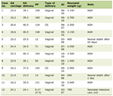
There were 6,141 respondents in 2017–2019 and 5,586 in 2022–2023 (Table 1). Between 2017–2019 and 2022–2023, respondent reported awareness of PrEP increased from 31.8% to 36.6% (OR = 1.24; 95% CI = 1.04–1.47), while reported provider counseling rates remained unchanged (5.2% vs. 4.8%; OR = 0.91; 95% CI = 0.70–1.19) (Table 2). Respondents had similar reports of birth control visits, current contraception, and contraception prescriptions from 2017–2019 to 2022–2023: 45% to 42.1% (OR = 0.89; 95% CI = 0.79–1.00), 21.2% to 19.7% (OR = 0.89, 95% CI = 0.77–1.02), and 29.5% to 26.8% (OR = 0.87, 95% CI = 0.76–1.00), respectively.
 Click to view | Table 1. Demographics by Survey Year |
Click to view | Table 2. Shifts in Patient Awareness and Behaviors Between 2017 and 2023 |
In 2022–2023, Black non-Hispanic women had comparable awareness to White women (42.0% in both groups, OR = 1.0; 95% CI = 0.80–1.24) but substantially higher counselling rates (10.4% vs. 3.6%, OR = 3.16; 95% CI = 1.83–5.44). Awareness among Hispanic women was significantly lower (24.9%) than among non-Hispanic white (42.0%) respondents (OR = 0.46; 95% CI = 0.36–0.58). PrEP counseling rates were statistically similar across racial and ethnic groups, with no significant difference for Hispanic (4.4%) vs. White (3.6%) participants (Table 2). This trend persisted when stratified by preferred language: Spanish-preferring respondents had markedly lower awareness (13.5%) than English speakers (37.8%; OR = 0.26; 95% CI = 0.17–0.40), despite comparable reported provider counseling rates (4.1% vs. 4.8%; OR = 0.85; 95% CI = 0.38–1.90).
| Discussion | ▴Top |
These findings reveal that patent awareness of PrEP has significantly increased over time, even as reports of provider counseling have remained stagnant. This trend suggests that public health messaging and informal networks may be driving a larger volume of PrEP knowledge than the clinical setting. Nonetheless, since national guidelines recommend discussing PrEP with all sexually active people, rates of both provider counseling and overall PrEP awareness remain well below target. Despite our results showing a modest increase in PrEP awareness, this is a policy failure that medical providers’ counseling and/or other efforts have not resulted in higher awareness. Particularly concerning is the persistent disparity in PrEP awareness among Hispanic and Spanish-preferring women, despite similar rates of provider counseling. This research demonstrates that Spanish-preferring women had markedly lower PrEP awareness (13.5%) compared to English speakers (37.8%) despite similar provider counseling rates, suggesting that language barriers and limited Spanish-language educational resources render clinical encounters ineffective for non-English speakers. Another possibility is that nonclinical information sources in languages other than English are more limited than English-language ones [8, 9]. These findings align with Center for Disease Control recommendations for universal, culturally and linguistically tailored PrEP counseling, while highlighting that current clinical practice falls far short of guideline targets, particularly for Hispanic and Spanish-preferring women who face compounded structural and communication barriers.
The findings also call into question the effectiveness of the clinical encounter as a gateway to HIV prevention. If provider counseling is occurring but not translating into awareness, especially among marginalized populations, it points to broader dynamics of structural fragmented health communication systems, where clinical gatekeeping may be influenced by provider bias, cultural disconnect, or inadequate infrastructure for multilingual counseling.
A strength of this study is the use of a large, nationally representative dataset across two recent survey cycles, allowing for robust assessment of temporal trends and disparities in PrEP awareness and provider counseling among reproductive-age women. Limitations include reliance on self-reported survey data and the cross-sectional design, which may introduce recall bias.
In summary, these results underscore the importance of integrating multi-level systems solutions, including interpreter services, and clinical decision tools to enable clinicians to integrate PrEP service delivery more consistently and more equitably. Without addressing these structural issues, clinical settings may continue to lag behind community-driven knowledge dissemination, missing key opportunities to connect individuals with effective prevention tools. Further research should explore how physician counseling can augment community-driven networks.
Acknowledgments
None to declare.
Financial Disclosure
There was no funding received for conducting this project.
Conflict of Interest
The authors report no conflict of interest. WI reports funding via a ViiV’s Medical Education Grant. This funding is unrestricted and ViiV has no involvement outside of serving as the funding agency.
Informed Consent
None to declare.
Author Contributions
Eric Ganz: conception of study, study design, and manuscript revision; Whitney Irie: conception of study and manuscript revision; Erica Hardy: study design and manuscript revision; Heidi Chang: manuscript revision and supervision; Lawren Wellisch: study design; Stephen Wagner: supervision and manuscript formation; Benjamin Brown: acquisition of data and data analysis.
Data Availability
The data supporting the findings of this study are available from the corresponding author upon reasonable request.
Abbreviations
PrEP: pre-exposure prophylaxis; NSFG: National Survey of Family Growth
| References | ▴Top |
- Chou R, Spencer H, Bougatsos C, Blazina I, Ahmed A, Selph S. Preexposure prophylaxis for the prevention of HIV: updated evidence report and systematic review for the US preventive services task force. JAMA. 2023;330(8):746-763.
doi pubmed - Pinto RM, Berringer KR, Melendez R, Mmeje O. Improving PrEP implementation through multilevel interventions: a synthesis of the literature. AIDS Behav. 2018;22(11):3681-3691.
doi pubmed - Przybyla S, Fillo J, Kamper-DeMarco K, Bleasdale J, Parks K, Klasko-Foster L, Morse D. HIV pre-exposure prophylaxis (PrEP) knowledge, familiarity, and attitudes among United States healthcare professional students: A cross-sectional study. Prev Med Rep. 2021;22:101334.
doi pubmed - Kudrati SZ, Hayashi K, Taggart T. Social Media & PrEP: a systematic review of social media campaigns to Increase PrEP awareness & uptake among young black and Latinx MSM and women. AIDS Behav. 2021;25(12):4225-4234.
doi pubmed - Tao J, Parent H, Karki I, Martin H, Marshall SA, Kapadia J, Nunn AS, et al. Perspectives on a peer-driven intervention to promote pre-exposure prophylaxis (PrEP) uptake among men who have sex with men in southern New England: a qualitative study. BMC Health Serv Res. 2024;24(1):1023.
doi pubmed - Sullivan PS, DuBose SN, Castel AD, Hoover KW, Juhasz M, Guest JL, Le G, et al. Equity of PrEP uptake by race, ethnicity, sex and region in the United States in the first decade of PrEP: a population-based analysis. Lancet Reg Health Am. 2024;33:100738.
doi pubmed - National Center for Health Statistics. National Survey of Family Growth, 2022-2023 User’s Guide. 2024. Available from: http://www.cdc.gov/nchs/nsfg/nsfg-2022-2023- puf.htm.
- JMIR Public Health and Surveillance - pre-exposure prophylaxis YouTube videos: content evaluation. https://publichealth.jmir.org/2018/1/e19/.
- Walsh-Buhi E, Houghton RF, Lange C, Hockensmith R, Ferrand J, Martinez L. Pre-exposure prophylaxis (PrEP) information on instagram: content analysis. JMIR Public Health Surveill. 2021;7(7):e23876.
doi pubmed
This article is distributed under the terms of the Creative Commons Attribution 4.0 International License (CC BY 4.0), which permits unrestricted use, distribution, and reproduction in any medium, including commercial use, provided the original work is properly cited.
Journal of Clinical Gynecology and Obstetrics is published by Elmer Press Inc.