| Journal of Clinical Gynecology and Obstetrics, ISSN 1927-1271 print, 1927-128X online, Open Access |
| Article copyright, the authors; Journal compilation copyright, J Clin Gynecol Obstet and Elmer Press Inc |
| Journal website https://jcgo.elmerpub.com |
Original Article
Volume 14, Number 4, December 2025, pages 122-129

Racial and Ethnic Differences in Trial of Labor After Cesarean Attempts and Vaginal Birth After Cesarean Success Rates: A Retrospective Single-Health System Study
Olivia Foleya, d  , Shannon Bleea, Rebecca
Hammonda, Kallin Hermanna, Claire Malhotraa, Danielle B.
Dilsaverb, Megan Kalatac
, Shannon Bleea, Rebecca
Hammonda, Kallin Hermanna, Claire Malhotraa, Danielle B.
Dilsaverb, Megan Kalatac
aCreighton University School of Medicine, Omaha, NE 68178,
USA
bDepartment of Clinical Research and Public Health, Creighton University
School of Medicine, Omaha, NE 68124, USA
cDepartment of OBGYN, Creighton
University School of Medicine, Omaha, NE 68178, USA
dCorresponding Author:
Olivia Foley, Creighton University School of Medicine, Omaha, NE 68178, USA
Manuscript submitted September 3, 2025, accepted November 21, 2025, published online December 11,
2025
Short title: Racial/Ethnic Variations in TOLAC/VBAC
doi:
https://doi.org/10.14740/jcgo1543
| Abstract | ▴Top |
Background: Despite risks associated with repeat cesareans, only 14% of deliveries in the United States were vaginal births after cesareans (VBACs) in 2023. Current research demonstrates that women from minority groups are less likely to be offered a trial of labor after cesarean (TOLAC). The purpose of this study was to determine whether removal of race/ethnicity distinctions from the Maternal-Fetal Medicine Units (MFMU) Network’s VBAC calculator in 2021 resulted in a more equitable distribution of TOLAC and higher VBAC rates.
Methods: Retrospective data of patients with a previous cesarean delivery were gathered from January 2017 to June 2024, which was then analyzed utilizing Chi-squared tests and logistic regression models.
Results: Overall, 1,905 births were included, of which, 25.62% of patients identified as Hispanic and 12.65% identified as Black. Successful VBAC occurred in 516 (27.09%) births, and 1,389 deliveries were repeat cesareans (72.91%). Importantly, TOLAC rates increased after MFMU’s calculator changes. However, Black patients still had lower odds of VBAC compared to White patients after the calculator change. When evaluating reasons listed as to why patients had a failed TOLAC, it was more often attributed to maternal status for Black patients than White patients.
Conclusions: Although changes in MFMU’s VBAC calculator are correlated with increased attempted TOLAC in both Black and Hispanic patients, racial disparities in rates of successful VBAC persist.
Keywords: Trial of labor after cesarean; Vaginal birth after cesarean; Disparities
| Introduction | ▴Top |
Cesarean birth is known to be associated with significantly higher morbidity than vaginal birth; however, cesarean delivery rates remain high in the United States (US) [1]. Cesarean delivery rates in the US increased from 20.7% in 1996 to 32.1% in 2021, while vaginal delivery rates decreased overall [2]. Cesarean section (C-section) rates made up 32.4% of deliveries in the US in 2024, indicating a persistent nationwide problem [3]. Three of every five C-sections annually are primary C-sections, with four out of five patients proceeding to have a repeat cesarean delivery because many believe “once a cesarean, always a cesarean” [2]. Despite this common perception, it is possible, and often recommended, to have a vaginal birth after cesarean section (VBAC) in a subsequent delivery. If trial of labor after cesarean (TOLAC) successfully results in a VBAC, mothers benefit from avoidance of surgery and resultant complications, lower risk of postpartum hemorrhage and infection, faster recovery time, and lower risk of complications in following pregnancies [4]. Despite these benefits, in 2013, only 20% of women attempted VBAC after having one prior C-section [5]. By 2023, the percentage of deliveries that were VBAC in the US was only 14%, and “pregnant people still report needing to “fight” for a VBAC” [6]. These statistics have led the American College of Obstetricians and Gynecologists (ACOG) to call for “a reduction in the occurrence of nonmedically indicated primary and repeat cesarean deliveries because of the association between cesareans, higher health care costs, and increased maternal morbidity” [7].
To better understand and assess the likelihood of VBAC success among individual patients, the Maternal-Fetal Medicine Units Network (MFMU), funded by the National Institutes of Health, released a VBAC success rate calculator in 2007 [6]. The original version of this calculator gathered information on maternal age, height, weight, body mass index (BMI), race/ethnicity, obstetric history, and history of arrest of dilation or descent [6]. MFMU then determined that patients who attempted TOLAC with a calculator score of less than 60% experienced twice the morbidity compared to those with similar scores who underwent a C-section [6].
After its release and use, examination of the calculator found that it assigned anywhere from 5% to 15% lower probability of successful VBAC to patients who identified as Black/African American or Hispanic [6, 8]. As many providers utilized the calculator in determining whether patients should attempt a TOLAC, African American and Hispanic patients became less likely to have a VBAC overall [4, 6]. A subsequent study examining the relationship between ethnicity, race, and repeat C-sections among women with one previous C-section found this to be true, with results demonstrating that Hispanic and Black patients had higher odds of repeat C-section than White patients [9]. Despite this, however, an additional study that collected obstetric data from an urban hospital in New York City between 2015 and 2020 found that when given the choice, patients who identified as Black/African American or Hispanic/Latinx were more likely to prefer a TOLAC [2].
The inclusion of race and ethnicity in the original MFMU VBAC calculator “codified social constructs as biological determinants, reinforcing racial disparities” in obstetric care in the US [10]. Associating race with biological differences among patients can perpetuate stereotypes as well as worsen quality of care and clinical outcomes among minority groups [8]. Eventual realization and pushback from the greater medical community prompted MFMU to release a revised version of the VBAC calculator in 2021 that no longer included questions about race or ethnicity [6, 11]. The updated calculator replaced those questions, which has been found to make MFMU’s VBAC success calculator more accurate overall [6, 11-13].
This tool’s inclusion of race and ethnicity for over a decade highlights permissive stereotypes in women’s health. As such, this study intends to analyze if TOLAC attempts and VBAC success rates have changed overall and across different racial/ethnic groups since MFMU removed race and ethnicity from their VBAC success rate calculator in 2021. This study also examined reasons listed for each delivery type to determine what factors most heavily influenced the choice of repeat C-section or TOLAC and success of attempted TOLACs. Because “each subsequent cesarean compounds the risk of future uterine rupture, placenta previa and accreta, hysterectomy, and maternal and neonatal mortality,” this study aims to provide critical information regarding what impact the calculator has had on increasing or decreasing VBAC rates [5].
| Materials and Methods | ▴Top |
Study design
A retrospective chart review was performed between January 2017 and June 2024, collecting data from patient charts from facilities that perform TOLAC and VBAC in a single-health system. The overall study period was split into three time periods for analysis, January 2017 - January 2020, February 2020 - May 2021, and June 2021 - June 2024. This allowed for evaluation of data prior to and after MFMU removed race and ethnicity from their VBAC success rate calculator, as well as removal of the potentially confounding effects of the height of the COVID-19 pandemic. Institutional Review Board (IRB) approval from the Creighton University School of Medicine was received on January 24, 2025 (determination: EXEMPT; protocol number: 2005128-02). This study did not involve research on animals or humans, and as such complied with all standards.
Patient charts were selected for this study if they had a history of one low transverse C-section delivery prior to this subsequent delivery [14]. Pregnant patients of any age with term singleton pregnancies were included. Patients were excluded if they had any absolute contraindications to TOLAC, including history of vertical or T-incision on the uterus, placenta previa, placenta accreta spectrum, history of uterine rupture, or prior uterine surgery other than cesarean. Additional fetal exclusion criteria included malpresentation, fetal chromosomal or other congenital anomalies, or multifetal gestation. Maternal exclusion criteria included active herpes simplex virus (HSV) lesion, human immunodeficiency virus (HIV) positive patients with viral load greater than 1,000, more than one prior C-section, or no prior C-sections.
Data collection
Data were gathered from the pregnancy and delivery that immediately followed the patient’s first cesarean delivery. Variables included patient age at time of studied birth, race, ethnicity, height, pre-pregnancy weight, parity, gravida, history of hypertension, history of arrest of dilation/descent in prior cesarean, delivery type, and reason listed for delivery type. The variables collected were chosen as they are components of the old and updated versions of MFMU’s VBAC success rate calculator.
Data analysis
Demographic characteristics were stratified by delivery type. Categorical variables were presented as percentages and compared via Chi-square test. Categorical variables were presented as mean and standard deviation and compared via t-test. Logistic regression models were estimated to assess whether rates of TOLAC and VBAC varied by 1) time period, 2) race, and 3) ethnicity. Analyses were conducted using SAS v. 9.4 and two-tailed P < 0.05 indicated statistical significance.
| Results | ▴Top |
Descriptives
Descriptives stratified by delivery type are provided in Table 1 for full details. Briefly, age and weight were statistically similar between no TOLAC, VBAC, and unsuccessful TOLAC deliveries (P = 0.191, P = 0.656, respectively). Average gravida was highest among unsuccessful TOLAC deliveries followed by VBAC and no TOLAC deliveries, respectively (P < 0.001) (Table 1). Similarly, parity was highest among unsuccessful TOLAC deliveries and the lowest among those who did not attempt TOLAC (P = 0.008) (Table 1). Notably, only 14.4% of patients who did not attempt TOLAC had a history of vaginal delivery compared with 24.29% of patients who had a VBAC and 37.98% of patients with an unsuccessful TOLAC (P < 0.001). History of arrest in a prior delivery also significantly differed between groups, with 42.93% of patients who did not attempt TOLAC having history of arrest in comparison to 35.71% of VBAC patients, and 26.55% of unsuccessful TOLAC patients (P < 0.001). History of hypertension varied significantly between groups; 7.07% of patients with scheduled repeat C-sections had a history of hypertension compared to 5.71% of VBAC patients and 2.71% of unsuccessful TOLAC patients (P = 0.002; Table 1). Race and ethnicity statistically varied by delivery type (P < 0.001, P < 0.001, respectively) (Table 1).
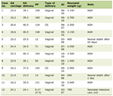 Click to view |
Table 1. Descriptives Stratified by Delivery
Type |
Table 2 provides the race and ethnicity of delivering patients by time period. Race significantly varied between time periods (P = 0.003). This difference was largely driven by time period 2, the height of the COVID-19 pandemic. Ethnicity significantly varied between time periods as well (P = 0.025; Table 2).
Click to view |
Table 2. Descriptives Stratified by Time
Period |
Attempted TOLAC and successful VBAC rates
Across all deliveries, time period 3 was associated with 63% greater odds of attempted TOLAC compared to time period 1 (odds ratio (OR): 1.63, 95% confidence interval (CI): 1.32 to 2.01, P < 0.001; Table 3). However, the rate VBAC was statistically similar between time period 3 and time period 1 (OR: 1.25, 95% CI: 0.88 to 1.79, P = 0.219; Table 3). Racial and ethnic breakdown of attempted TOLAC and successful VBAC for each individual time period can be seen in Table 4.
Click to view |
Table 3. Logistic Regression: Attempted TOLAC
and Successful VBAC by Time Period, Race, and Ethnicity |
Click to view |
Table 4. Logistic Regression: Attempted TOLAC
and Successful VBAC Within Each Time Period by Race and Ethnicity |
Across all time periods, Black patients were associated with 2.11 times greater odds of attempted TOLAC compared to White patients (51.91% vs. 33.82%, OR: 2.11, 95% CI: 1.60 to 2.80, P < 0.001; Table 3). Likewise, Hispanic and Latinx patients were associated with 55% greater odds of attempted TOLAC compared to non-Hispanic/Latinx patients (46.00% vs. 35.47%, OR: 1.55, 95% CI: 1.26 to 1.91, P < 0.001; Table 3). There was no statistically significant difference in the rate of attempted TOLAC between Asian and White patients (38.39% vs. 33.82%, OR: 1.22, 95% CI: 0.82 to 1.82, P = 0.329; Table 3). Of those that attempted TOLC, Black and Asian patients were associated with lower odds of successful VBAC. Compared to White patients, Black patients were associated with 27% lower odds of VBAC (65.57% vs. 75.06%, OR: 0.63, 95% CI: 0.41 to 0.97, P = 0.038; Table 3). Asian patients were associated with 54% lower odds of successful VBAC compared to White patients (58.13% vs. 75.06%, OR: 0.46, 95% CI: 0.24 to 0.88, P = 0.019; Table 3). Of those that attempted TOLAC, patients who identified as Hispanic/Latinx were associated with 56% greater odds of successful VBAC compared with non-Hispanic/Latinx patients (77.23% vs. 68.46%, OR: 1.56, 95% CI: 1.08 to 2.25, P = 0.020; Table 3).
Reasons for delivery type
Table 5 provides race and ethnicity stratified by reason for delivery method (declining TOLAC, failed induction leading to unsuccessful TOLAC, non-reassuring fetal status leading to unsuccessful TOLAC, non-reassuring maternal status leading to unsuccessful TOLAC, and no reason given). Race and ethnicity varied by the reason (P < 0.001, P = 0.001, respectively). Notably, of patients who underwent an unsuccessful TOLAC, non-reassuring maternal status leading to unsuccessful TOLAC was more often attributed as the reason for subsequent cesarean delivery for Black patients when compared to White patients (Table 5).
Click to view |
Table 5. Descriptive Characteristics by Reasons
for Delivery Type |
| Discussion | ▴Top |
Overall, this study demonstrates that the removal of race and ethnicity distinctions from the MFMU Network’s VBAC calculator in 2021 was associated with increased attempted TOLACs. Several maternal factors varied by delivery method, with increased gravidity, increased parity, and history of vaginal delivery more commonly found with attempted TOLAC. When the MFMU Network’s VBAC calculator accounted for race, it predicted that Black and Hispanic women would have lower success with VBAC, and therefore patients were less likely to be counseled on a TOLAC. Based on this study’s results, after removing race and ethnicity from the calculator, the likelihood of successful VBACs still varied significantly by race. While Black patients were associated with greater odds of TOLAC compared to White patients, they were associated with lower odds of a successful VBAC.
We found that the most common reasons for unsuccessful TOLAC included failed induction, failure to progress, and arrest of dilation or descent. Previous studies identified increased risk for unplanned C-sections among Black women with non-reassuring fetal status as the most likely indication for C-section [15, 16]. In contrast, this study found that the reasons Black patients were listed as failing TOLAC fell under the general category of “maternal status” as compared to White patients. In this study, maternal status had several descriptions, including “maternal exhaustion,” “patient did not desire to continue with trial of labor,” and “uterine rupture.” Despite changes to the MFMU VBAC calculator to eliminate racial and ethnic distinctions, Black patients continue to have lower rates of successful VBAC than White patients. This result necessitates further investigation into potential biases that impact not only the offering of TOLAC, but also the amount of time that is given before converting to a C-section. Many of the reasons listed are more subjective measures of determining the need for a C-section and can vary between providers. These findings should prompt further studies into what “maternal status” means to both patients and providers, as well as how possible provider bias may impact TOLAC length and VBAC opportunities available to patients from different demographic groups. This will provide a clearer idea of what TOLAC should entail and at what clear points a conversion to C-section may be necessary, working to create more equitable opportunities for TOLAC for patients of all backgrounds.
Previous studies have demonstrated that Black women may experience less respectful and autonomous care compared to their White counterparts [17]. It has been found that women who have had VBACs, women who identify as non-White, and women who declined care/had a difference of opinion with their providers were more likely to experience subsequent mistreatment and disrespect [17]. Racial disparities in shared decision-making partnerships may contribute to the lower levels of successful VBACs despite the increase rate of attempted TOLACs among Black patients.
Despite Black patients having lower odds of successful VBAC, Hispanic/Latinx patients were significantly associated with greater odds of attempted TOLAC and successful VBAC compared to non-Hispanic patients. This result emphasizes the idea that removing ethnicity from the VBAC calculator may have led to increased conversations about TOLAC and eventual increases in successful VBACs within the Hispanic population. Interestingly, previous studies found that English-speaking Hispanic patients had significantly higher odds of repeat C-section than Spanish-speaking Hispanic patients [9]. This may explain our findings; if Hispanic patients included in this sample were predominantly Spanish speaking. Although this study did not examine primary language because that is not included in MFMU’s VBAC success rate calculator, future studies should evaluate how maternal primary language impacts TOLAC decision making and successful VBAC outcomes among patients.
While the elimination of race from the MFMU VBAC calculator was an important step towards dismantling the association of race with biological differences, these changes were not sufficient in this study group to create equitable rates of successful VBAC between Black and White patients. While there are objective factors that may aid in deciding when to attempt a TOLAC and when to convert to a C-section, the decision ultimately reflects numerous individual, social, and systemic factors. Various health comorbidities impact the likelihood of TOLAC differently for patients of varying demographic groups. Socioeconomic factors and structural barriers also impact provider offering of TOLAC, particularly among underserved groups. For example, it has been found that paying out of pocket for a birth may result in increased TOLAC attempts among White patients but decreased TOLAC attempts among Black patients [18].
In addition to maternal characteristics such as gravida, parity, and history of vaginal delivery, it is also important to consider the impact of previous experiences and an individual’s autonomy [19]. As documented throughout literature, women who are higher gravida tend to feel that they have more control over their own body, which may lead to them feeling more empowered to attempt a TOLAC as compared to women with lower gravida [20]. In addition, women who have stronger support systems may be more likely to attempt a TOLAC, as it has been shown that engagement of families can enhance TOLAC acceptance [21-23]. While sense of control and strong support systems may help enhance TOLACs, it is also important to help women feel empowered through proper counseling and education. These interventions can help create positive relationships with clinical providers [19, 21-23].
Although this study’s results highlighted a specific increase in TOLAC with persistent disparities in successful VBAC, research studies conducted in different health institutions have found conflicting evidence [24]. Further research is required to confirm whether or not removal of race and ethnicity from MFMU’s VBAC success rate calculator is having the positive impact on TOLAC rates that this study demonstrates. This study also identified individual factors associated with increased TOLAC attempt. Future investigation should evaluate the social and system factors that influenced the increase in TOLACs in this population. Future investigations and interventions should also focus on strengthening shared decision-making partnerships to ensure that there is equitable treatment of birthing patients.
Limitations
This study was limited by the availability of information provided in patient charts. It is possible that more detailed explanations of reasoning for delivery type were considered but not recorded in the chart. The sample size of Black patients in this sample was relatively small, which may have impacted results. It is also possible that patients had unlisted indications for a certain delivery type that researchers could not obtain due to lack of documentation. Along with this, patients’ primary language was not recorded in this study. While this variable was not collected as it was not included in either the original or revised VBAC success rate calculator, language barriers may have impacted TOLAC/VBAC discussions. Despite these limitations, researchers thoroughly reviewed charts to ensure that all available relevant information was gathered to preserve the quality of the study. This also highlights the importance of more specific documentation of delivery type to ensure that any repeat C-section deliveries are justified.
Another limitation that this retrospective study faced is external generalizability. This study focused solely on hospitals within a single-health system that perform VBACs in a mid-sized city. Although the patient population in this area is diverse, future research could benefit from expanding the patient population to provide results that are more generalizable across US regions and a variety of health institutions given the regional, demographic, and institutional variations in VBAC practices. The methods utilized in this study can only demonstrate association, not causal inference. As such, further studies may be needed to validate results. Finally, a limitation of this retrospective study was an inability to gather further information from patients. An avenue for future study on this topic could include performing interviews or giving surveys to patients to detail more information about their preference for delivery type. This would allow researchers to evaluate the research question prospectively and determine patient understanding of both the benefits and risks of TOLAC and repeat C-section deliveries.
Conclusion
In the single-health system included in this study, results have shown that eliminating racial and ethnic distinctions from the MFMU’s VBAC success rate calculator increased attempted TOLACs among non-White patients. Despite this, however, rates of successful VBACs are still not higher for Black patients. Further studies must evaluate this research question across diverse and geographically distinct populations, possibly at a national level, to expand available results and make data more generalizable.
Acknowledgments
The authors on this study would like to thank Creighton University’s School of Medicine as well as Creighton’s Department of Obstetrics and Gynecology for their support in the conduction of this research project and publication of this manuscript.
Financial Disclosure
The researchers listed on this study received no funding to conduct the research and no funding for publishing of this manuscript.
Conflict of Interest
None of the authors listed on this manuscript have any conflicts of interest, financial or otherwise.
Informed Consent
Informed consent was not required to complete this retrospective chart review study with deidentified data.
Author Contributions
Authors OF and MK contributed to the conceptualization of this project as well as the process of gaining IRB approval through their guiding institution. OF contributed to chart review/data gathering, data analysis, compilation of results, and writing/editing of the final manuscript. DD contributed to the data cleaning, statistical analysis, compilation of results, and editing of the final manuscript. MK also contributed to the data analysis and writing/editing of the final manuscript. Authors SB, RH, KH, and CM contributed to the chart review/data gathering for this project, as well as to the writing/editing of the final manuscript.
Data Availability
Any inquiries regarding supporting data availability of this study should be directed to the corresponding author.
| References | ▴Top |
- Thornton PD. VBAC calculator 2.0: recent evidence. Birth.
2023;50(1):120-126.
doi pubmed - Wetzler SR, McCarthy L, Tavella NF, Baptiste G, DeBolt C, Bianco A, et al. Social disparities in delivery choice among patients with history of cesarean. Sexual and Reproductive Healthcare. 2024;41.
- Centers for Disease Control and Prevention [Internet]. 2025 [cited Aug 10, 2025]. U.S. Births Increase by 1% in 2024. Available from: https://www.cdc.gov/nchs/pressroom/nchs_press_releases/2025/20250423.htm.
- Vyas DA, Jones DS, Meadows AR, Diouf K, Nour NM, Schantz-Dunn J.
Challenging the use of race in the vaginal birth after cesarean section calculator. Womens
Health Issues. 2019;29(3):201-204.
doi pubmed - Thornton P. Limitations of vaginal birth after cesarean success
prediction. J Midwifery Womens Health. 2018;63(1):115-120.
doi pubmed - Rubashkin N. Epistemic silences and experiential knowledge in
decisions after a first cesarean: the case of a vaginal birth after cesarean calculator. Med
Anthropol Q. 2023;37(4):341-353.
doi pubmed - Cheng ER, Declercq ER, Belanoff C, Iverson RE, McCloskey L. Racial
and ethnic differences in the likelihood of vaginal birth after cesarean delivery. Birth.
2015;42(3):249-253.
doi pubmed - Kimani RW. Reexamining the use of race in medical algorithms: the
maternal health calculator debate. Front Public Health. 2024;12:1417429.
doi pubmed - Mirabal-Beltran R, Strobino DM. Birth mode after primary cesarean
among hispanic and non-hispanic women at one U.S. institution. Womens Health Issues.
2020;30(1):7-15.
doi pubmed - Tavella NF, DeBolt CA, Stern T, Baptiste G, Stone JL, Bianco AT.
Including the social vulnerability index into a predictive model of vaginal birth after
cesarean. J Clin Epidemiol. 2024;172:111421.
doi pubmed - Maternal-Fetal Medicine Units Network Vaginal Birth After Cesarean. Eunice Kennedy Shriver | National Institute of Child Health and Human Development [Internet]. [cited Aug 10, 2025]; Available from: https://mfmunetwork.bsc.gwu.edu/web/mfmunetwork/vaginal-birth-after-cesarean-calculator.
- Buckley A, Sestito S, Ogundipe T, Roig J, Rosenberg HM, Cohen N, Wang
K, et al. Racial and ethnic disparities among women undergoing a trial of labor after cesarean
delivery: performance of the VBAC calculator with and without patients' race/ethnicity. Reprod
Sci. 2022;29(7):2030-2038.
doi pubmed - Adjei NN, McMillan C, Hosier H, Partridge C, Adeyemo OO, Illuzzi J.
Assessing the predictive accuracy of the new vaginal birth after cesarean delivery calculator.
Am J Obstet Gynecol MFM. 2023;5(6):100960.
doi pubmed - ACOG committee opinion. The American College of Obstetricians and Gynecologists. 2013.
- Williams A, Little SE, Bryant AS, Smith NA. Mode of delivery and
unplanned cesarean: differences in rates and indication by race, ethnicity, and sociodemographic
characteristics. Am J Perinatol. 2024;41(7):834-841.
doi pubmed - Carlson NS, Carlson MS, Erickson EN, Higgins M, Britt AJ, Amore AD.
Disparities by race/ethnicity in unplanned cesarean birth among healthy nulliparas: a secondary
analysis of the nuMoM2b dataset. BMC Pregnancy Childbirth. 2023;23(1):342.
doi pubmed - Basile Ibrahim B, Kozhimannil KB. Racial disparities in respectful
maternity care during pregnancy and birth after cesarean in rural United States. J Obstet
Gynecol Neonatal Nurs. 2023;52(1):36-49.
doi pubmed - Attanasio LB, Paterno MT. Racial/ethnic differences in socioeconomic
status and medical correlates of trial of labor after cesarean and vaginal birth after cesarean.
J Womens Health (Larchmt). 2021;30(12):1788-1794.
doi pubmed - Basile Ibrahim B, Kennedy HP, Whittemore R. Women's perceptions of
barriers and facilitators to vaginal birth after cesarean in the United States: an integrative
review. J Midwifery Womens Health. 2020;65(3):349-361.
doi pubmed - Geerts CC, Klomp T, Lagro-Janssen AL, Twisk JW, van Dillen J, de
Jonge A. Birth setting, transfer and maternal sense of control: results from the DELIVER study.
BMC Pregnancy Childbirth. 2014;14:27.
doi pubmed - Sindiani A, Rawashdeh H, Obeidat N, Zayed F, Alhowary AAA. Factors
that influenced pregnant women with one previous caesarean section regarding their mode of
delivery. Ann Med Surg (Lond). 2020;55:124-130.
doi pubmed - Kaimal AJ, Grobman WA, Bryant A, Blat C, Bacchetti P, Gonzalez J,
Thiet MP, et al. The association of patient preferences and attitudes with trial of labor after
cesarean. J Perinatol. 2019;39(10):1340-1348.
doi pubmed - Kaimal AJ, Grobman WA, Bryant AS, Norrell L, Bermingham Y, Altshuler
A, Thiet MP, et al. Women's preferences regarding the processes and outcomes of trial of labor
after cesarean and elective repeat cesarean delivery. J Womens Health (Larchmt).
2019;28(8):1143-1152.
doi pubmed - Hikade A, Nichols K, Ahrens K. Trends before and after the removal of
race and ethnicity from the vaginal birth after cesarean calculator. Obstet Gynecol.
2025;145(5):514-518.
doi pubmed
This
article is distributed under the terms of the Creative Commons Attribution Non-Commercial 4.0
International License, which permits unrestricted non-commercial use, distribution, and
reproduction in any medium, provided the original work is properly cited.
Journal
of Clinical Gynecology and Obstetrics is published by Elmer Press Inc.