| Journal of Clinical Gynecology and Obstetrics, ISSN 1927-1271 print, 1927-128X online, Open Access |
| Article copyright, the authors; Journal compilation copyright, J Clin Gynecol Obstet and Elmer Press Inc |
| Journal website https://jcgo.elmerpub.com |
Original Article
Volume 14, Number 4, December 2025, pages 161-166

Impact of Suspending Elective Inductions of Labor on Maternal and Fetal Outcomes
Taylor Scutaria, b, Christopher Moroskya, Jonathan P. Shepherda
aUniversity of Connecticut School of Medicine, UConn Health, Farmington, CT 06030,
USA
bCorresponding Author: Taylor Scutari, University of Connecticut School of
Medicine, UConn Health, Farmington, CT 06030, USA
Manuscript submitted August 18, 2025, accepted November 3, 2025, published online December 11,
2025
Short title: Maternal-Fetal Outcomes After eIOL Suspension
doi:
https://doi.org/10.14740/jcgo1537
| Abstract | ▴Top |
Background: In July 2021, an academic institution suspended elective inductions of labor (eIOL) after 39 weeks. Our objective was to determine how this policy impacted cesarean delivery rate and time on labor and delivery.
Methods: A retrospective chart review was conducted of singleton, cephalic pregnancies delivering between 39 and 41 weeks, during the 6 months before and after the policy change.
Results: From January 20, 2021, to January 29, 2022, there were 386 eligible deliveries, 50.3% before and 49.7% after the policy change. There was no statistical reduction in total inductions after the policy change restricting eIOL (67.5% vs. 62.0%, P = 0.287). Time on labor and delivery was similar (20.8 ± 13.0 vs. 20.6 ± 11.7 h, P = 0.800). Cesarean delivery rates were unchanged (14.4% vs. 15.1%, P = 0.887).
Conclusions: Induction rates were not impacted by the policy. This suggests physicians found alternative non-elective reasons for induction. There were no significant differences in time spent on labor and delivery or cesarean delivery rate. The study was a convenience sample and not powered for definitive outcome differences.
Keywords: Induction of labor; Cesarean delivery; Duration of labor; Labor and delivery
| Introduction | ▴Top |
About 23% of births in the United States are induced [1]. Most inductions of labor (IOLs) are performed for maternal or fetal conditions that would worsen or cause complications if the pregnancy were to continue [2]. Before 39 weeks, The American College of Obstetrics and Gynecology (ACOG) recommends against elective IOL (eIOL) and only recommends induction when medically indicated [3, 4]. Additionally, ACOG recommends IOL after 42 weeks to minimize mortality and morbidity [5].
The literature supports the safety of eIOL in healthy patients after 39 weeks with singleton pregnancies [6]. After 39 weeks, eIOLs are associated with decreased cesarean deliveries, neonatal deaths, and maternal mortality compared to expectant management at the same gestational age [6]. The ARRIVE trial found that in low-risk nulliparous patients, there were no differences in perinatal mortality, but the cesarean delivery rate was significantly decreased with eIOL at 39 weeks [7]. Osmundson et al found that in nulliparous patients after 39 weeks, eIOL did not decrease cesarean deliveries, and was associated with longer labors [8]. While there is conflicting evidence for the safety of eIOL, the literature overall supports eIOL at 39 weeks.
This academic institution previously supported eIOL in low-risk patients after 39 weeks [9]. However, due to inadequate staffing due to coronavirus disease 2019 (COVID-19), they opted to suspend eIOL between 39 and 41 weeks. Because IOLs often increase time on labor and delivery and cesarean delivery rates, this change was expected to decrease staffing and resource demand [2, 6]. However, the effects of this change on patient outcomes were unknown. It was predicted that the time patients spent on labor and delivery would decrease after the policy change. Due to conflicting literature on the impact of eIOL on cesarean delivery rates, it was predicted that there would be no difference before and after the policy change.
| Materials and Methods | ▴Top |
This study was approved by the University of Connecticut Health Institutional Review Board (IRB number 22X-190-2), and ethical compliance with human studies is not applicable.
This was a retrospective chart review of 6 months before the policy change and 6 months after using Epic electronic health record database. The policy was enacted on July 21, 2021, but allowed for already booked eIOL to proceed for up to 1 week after the policy went into effect. Therefore, the post-intervention group was adjusted by 1 week to account for this. We included all patients with singleton pregnancies who delivered between 39 and 41 weeks, as this was the gestational age window that would be impacted by the policy change regarding eIOL after 39 weeks. Patients delivering between January 20, 2021, and July 20, 2021 at the institution were included in the pre-policy group. Those delivering between July 29, 2021, and January 29, 2022 were the post-policy group. A convenience sample was used based on the data available from this time period. Patients were excluded if they had eclampsia, fetal presentations other than cephalic, a known fetal anomaly, multiple gestations, a post-term induction after 41 weeks, or other medical indications for a non-elective IOL.
We collected basic demographic information including age, race, ethnicity, gravidity, and parity to compare the groups at baseline. Primary outcomes included cesarean delivery rate and length of time spent on labor and delivery. Secondary outcomes were other outcomes that could be impacted by the policy change including third- or fourth-degree lacerations, postpartum hemorrhage, maternal hemoglobin after delivery, meconium-stained amniotic fluid, birth weight, Apgar score, neonatal intensive care unit (NICU) admission, neonatal phototherapy use, fetal birth injuries, stillbirths, neonatal deaths, and maternal deaths. Other information collected included type of delivery and type of labor onset (spontaneous or induced). Potential confounders included prior cesarean deliveries, parity, oxytocin use in non-induced patients, and maternal age. Other confounders collected included maternal comorbidities, pre-existing medical conditions, and those that may develop during pregnancy, such as diabetes and hypertension.
SPSS (version 28) was used for statistical analysis. Fisher’s exact tests or Chi-squared tests were used for categorical data. Independent samples t-tests were used for comparing means of continuous data. When necessary, natural log transformations were used for skewed variables so that parametric t-tests could be used. Multivariable regression models were performed to adjust for confounders. Regression models were created using forward addition where all variables with P < 0.2 on univariable analysis were considered candidate variables. This used an iterative process where the most impactful variables were individually added to create successive models until the most parsimonious model was generated. This model was confirmed with backwards removal where all variables were included and then removed one at a time until the software arrived at the final model. Cesarean delivery rate was a priori chosen to be in the final model as the variable of interest and primary outcome for the study.
| Results | ▴Top |
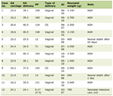
One hundred ninety-four patients with singleton, cephalic pregnancies who delivered between 39 and 41 weeks within January 20, 2021, and July 20, 2021 were included in the “before” group. One hundred ninety-two pregnancies who delivered between July 29, 2021, and January 29, 2022 were included in the “after” group. The two groups were similar with respect to race, ethnicity, maternal age, and maternal body mass index (BMI) with no other significant pre-pregnancy differences (Table 1). There was also no difference in pregnancy-related factors including gravidity, gestational diabetes, gestational hypertensive disorders, or chorioamnionitis (Table 1). Patients were more likely primiparous in the “after” group (54.7% vs. 45.4%, P = 0.026). There was a statistically significant but likely clinically irrelevant difference in gestational age at delivery (before = 39.6 ± 0.5 weeks vs. after = 39.7 ± 0.5 weeks, P = 0.017).
 Click to view |
Table 1. Patient Demographics and Pre-Labor
Characteristics Stratified by Study Group |
There was no difference in induction rates before compared to after the policy change (67.5% vs. 62%, P = 0.287). The was no difference in the cesarean delivery rate between the two groups before and after the policy change (14.4% before vs. 15.5% after, P = 0.887). There were no significant differences in secondary labor outcomes other than the frequency of blood transfusions (5.2% before, 1.0% after, P = 0.036) (Table 2).
Click to view |
Table 2. Labor Outcomes Stratified by Study
Group |
Given the nature of data for length of time on labor and delivery with a minimum but no maximum, this led to a right-tailed skewed distribution. We therefore used a transformation using the natural log of the data to perform a t-test which requires a normal distribution of data. Length of time spent on labor and delivery was not different between the two groups (20.8 ± 13.0 h before, 20.6 ± 11.7 h after, P = 0.800).
Logistic regression was performed to assess the impact of the policy on cesarean delivery rates while adjusting for confounders. When adjusting for significant confounders, including age, BMI, chorioamnionitis, and length of time on labor and delivery, there was no change in cesarean delivery rate associated with the policy change either with or without adjustment (adjusted odds ratio (OR) = 0.845, 95% confidence interval (CI) = 0.458 - 1.560). Increasing maternal age, higher BMI, presence of chorioamnionitis and increasing time on labor and delivery all led to higher odds of having a cesarean delivery (Table 3). Notably, variables such as prior cesarean delivery and parity, which historically have been known to impact cesarean delivery rates with subsequent delivery, were not included due to the model building criteria. Forward addition sequentially adds the most impactful variables in an iterative process. It stops adding variables once the most parsimonious model is achieved. The only variable we required to be included was the impact of the policy change. Using this methodology, prior cesarean delivery and parity were not included in the final model.
Click to view |
Table 3. Logistic Regression for Factors
Impacting Cesarean Delivery Rates |
Additional analyses were done to assess changes in overall maternal morbidity. Maternal morbidity was a composite variable which was positive if any of the following occurred: chorioamnionitis, increased length of stay (> 3 days for cesarean and > 2 days for vaginal deliveries), third- or fourth-degree perineal laceration, postpartum hemorrhage, postpartum hemoglobin less than 10, blood transfusion, wound infection, and/or death. There were no significant differences in overall maternal morbidity before or after the policy change (48.1% vs. 51.9%, P = 0.394).
For neonatal outcomes, there were no significant differences in birth weight, NICU admission, birth injury, phototherapy use, or Apgar scores at 1 or 5 min between the two groups (Table 4). No neonatal deaths occurred in either group. Additional analyses were done to assess changes in composite neonatal morbidity, which included NICU admission, Apgar less than 7, meconium-stained amniotic fluid, phototherapy use, stillbirth, neonatal death, and/or umbilical artery pH less than 7.0. There were no significant differences in overall neonatal morbidity between the two groups (47.9% vs. 52.1%, P = 0.695).
Click to view |
Table 4. Neonatal Outcomes Stratified by Study
Group |
| Discussion | ▴Top |
This study demonstrated that despite a new institutional policy to restrict eIOLs, there was no change in overall inductions. This was an unexpected finding and suggests that the policy change had no impact on the variable it was intended to influence. While this was initially surprising, we hypothesized that the ARRIVE trial may have influenced physician practice. This trial found that in low-risk nulliparous patients, there was a significantly decreased cesarean delivery rate with eIOL compared to expectant management [7]. Knowing the decreased cesarean delivery rate and ACOG Practice Bulletin guidelines, physicians at this institution may have advocated for induction between 39 and 41 weeks by identifying other reasonable, but non-elective, IOL indications [9]. Gilroy et al found that in 2019, the year following the publication of the ARRIVE trial, there were more IOLs than in the year prior to its publication [10]. This suggests that changes to physician practice were made relatively quickly in response to the study.
The policy’s restriction made it impossible to follow ACOG’s Practice Bulletin supporting eIOL between 39 and 41 weeks. Our original analysis plan was to look at how the reduction in inductions impacted our cesarean delivery rates. However, with no change in induction rates, there would be no change in cesarean delivery rates, and the project then became an analysis of process adherence, which we still believe produces clinically relevant data. Since inductions were not reduced, our data support the hypothesis that physicians continued performing these inductions via alternate pathways. There are many studies regarding physician non-compliance with national or societal guidelines, but fewer studies about non-compliance with hospital policies when they conflict with presumed improved outcomes. Dankers et al examined why Dutch physicians were prescribing alternate insulin regimens instead of the recommended neutral protamine Hagedorn (NPH) insulin. Reasons stated for non-adherence included disagreement with the guidelines, quicker response with non-NPH insulin, and belief that newer insulin regimens were better for their patients [11]. While further investigation is required to understand why we found no change in the overall induction rate, it may be due to disagreement with the policy and a perceived patient benefit with policy non-compliance. Unfortunately, the retrospective nature of this study precludes any analysis of physician motivations to continue inductions at the same rate as before the policy restricting their use.
While the ARRIVE trial demonstrated a significant decrease in cesarean delivery frequency in those undergoing eIOLs, there was no difference in cesarean delivery in this study [7]. This is concordant with the findings of Nethery et al [12]. In a post ARRIVE trial time series analysis, there was a significant increase in eIOL but no change in cesarean delivery rate [12]. In another study by Gilroy et al, it was found that there was a decreased cesarean rate in the year following the publication of the ARRIVE trial [10]. This may be because the overall rate of inductions did not change. When included in regression models, age, BMI, chorioamnionitis, and length of time on labor and delivery all significantly increased cesarean delivery rates, but the policy change restricting elective inductions between 39 and 41 weeks had no impact. Furthermore, this policy change was initially created to reduce staffing burden due to the COVID-19 pandemic, as eIOLs were hypothesized to require more time and resources. However, time spent on labor and delivery did not change after the policy change, which may be due to the lack of change in overall induction rate.
Our original analysis plan assumed inductions would be reduced with restriction of elective inductions. When this was not observed, time on labor and delivery and cesarean delivery rates would also be expected to remain unchanged. As we shifted to an analysis of process adherence using a convenience sample, there is a possibility of a type II error and being underpowered to detect a difference in induction rate before and after the policy change. Assuming our rates of 67.5% vs. 62.0%, a post-hoc power calculation would have required 1,620 deliveries per group to detect a statistically significant change in induction rate. Even with this sample size, we question whether a reduction from 67.5% to 62.0% is clinically meaningful. Since there are no recognized standards for induction rates as there are for cesarean delivery rates, and the ARRIVE trial supports increasing induction rates, there are no data to guide whether this is a clinically meaningful reduction. Policies should focus on outcomes such as maternal and neonatal outcomes, patient experience, infections, and impact on cesarean delivery rates. Using alternative primary outcomes such as cesarean delivery rate (14.4% vs, 15.1%, n = 54,212 per group) or time on labor and delivery (20.8 ± 13.0 vs. 20.6 ± 11.7 h, n = 80,353 per group) would have yielded unattainable sample sizes, and these outcomes are even less likely to be clinically different. We therefore think that it is reasonable to conclude that the difference in induction rates is not clinically meaningful and would not be even if we had achieved statistical significance.
There were no differences in any measured neonatal outcomes before and after the policy change. This finding is similar to the ARRIVE trial, which reported no significant differences in perinatal death, severe neonatal complications, and secondary neonatal outcomes, including birth weight, birth injury, phototherapy, Apgar score, and NICU admission [7]. There was a significant difference in maternal blood transfusions with more occurring before the policy. However, there were no significant differences in estimated blood loss, postpartum hemorrhage, or post-delivery hemoglobin below 10 g/dL. Concordant with our results, Brun et al found that there were no differences in blood loss or postpartum hemorrhage between patients with spontaneous labor compared to IOL [13]. Notably, Brun et al did not find a difference in blood transfusions, while we found higher rates of transfusion before the policy change. A higher rate of transfusion in the period where elective inductions were allowed is a meaningful outcome for both patients and resource utilization. As this was a secondary outcome and there is potential for type I error due to multiple comparisons being performed on numerous relevant secondary outcomes (Table 2), we support further work to determine if this is a real difference. However, with no difference in rate of inductions, cesarean deliveries, blood loss, or postpartum hemorrhage, we cannot determine any potential mechanism for this difference.
A strength of this study is that there were clear before and after time periods where elective inductions were and were not being offered at a single institution. Multiple studies have shown the impact of initiating a policy to allow eIOL at 39 weeks. However, we are unaware of any other studies on the impact of eIOL restriction after they had been previously allowed. With perceived patient benefits from eIOL in either scenario, changes to allow or restrict eIOL are quite different propositions, making our study unique. A limitation of this study is that it was not powered to a specific sample size, which introduces the possibility of type II or beta error. However, it is unlikely that even with an infinite sample size, a clinically meaningful difference would have been found for either cesarean delivery rate or length of time on labor and delivery because the data were so similar between the two groups.
Another limitation is that this was a retrospective chart review and not a prospective study. This study design makes it impossible to capture the rationale behind induction choices. While we hypothesize that physicians possibly reclassified elective inductions as medically indicated using less stringent criteria, this is purely a hypothesis. Unfortunately, it is also inherently difficult to study, even in a prospective design. With the lack of change in induction rates, it is a reasonable explanation for our data, but it should be interpreted cautiously. This is also a single-center observational study, which makes direct comparisons to the ARRIVE trial difficult.
Conclusions
When a policy restricting eIOLs between 39 and 41 weeks was implemented at this academic institution, there were no significant changes in cesarean delivery rates, time spent on labor and delivery, maternal morbidity, or neonatal morbidity. We hypothesize that the lack of any meaningful differences in outcomes was mediated by a lack of change in the overall induction rate. While this static induction rate was unanticipated as the policy was meant to reduce the number of inductions, further research is needed to confirm our hypothesis that this was due to changes in physician behavior due to a perceived benefit with eIOL.
Acknowledgments
None to declare.
Financial Disclosure
There was no funding for this project.
Conflict of Interest
None to declare.
Informed Consent
This was a retrospective chart review. Therefore, no informed consent was necessary.
Author Contributions
Taylor Scutari contributed to study design, literature search, data collection, manuscript writing, and manuscript editing. Christopher Morosky contributed to study design and manuscript editing. Jonathan Shepherd contributed to study design, literature search, statistics, and manuscript editing.
Data Availability
Any inquiries regarding supporting data availability of this study should be directed to the corresponding author.
| References | ▴Top |
- Osterman MJ, Martin JA. Recent declines in induction of labor by
gestational age. NCHS Data Brief. 2014;155:1-8.
pubmed - Little SE. Elective induction of labor: What is the impact? Obstet
Gynecol Clin North Am. 2017;44(4):601-614.
doi pubmed - ACOG committee opinion no. 561: Nonmedically indicated early-term
deliveries. Obstet Gynecol. 2013;121(4):911-915.
doi pubmed - Hibbard JU, Wilkins I, Sun L, Gregory K, Haberman S, Hoffman M, et
al. Respiratory morbidity in late preterm births. JAMA. 2010;304(4):419-425.
doi - Practice bulletin no. 146: Management of late-term and postterm
pregnancies. Obstet Gynecol. 2014;124(2 Pt 1):390-396.
doi pubmed - Sinkey RG, Lacevic J, Reljic T, Hozo I, Gibson KS, Odibo AO,
Djulbegovic B, et al. Elective induction of labor at 39 weeks among nulliparous women: the
impact on maternal and neonatal risk. PLoS One. 2018;13(4):e0193169.
doi pubmed - Grobman WA, Rice MM, Reddy UM, Tita ATN, Silver RM, Mallett G, Hill
K, et al. Labor induction versus expectant management in low-risk nulliparous women.
N Engl J Med. 2018;379(6):513-523.
doi pubmed - Osmundson S, Ou-Yang RJ, Grobman WA. Elective induction compared with
expectant management in nulliparous women with an unfavorable cervix. Obstet Gynecol.
2011;117(3):583-587.
doi pubmed - Clinical guidance for integration of the findings of the ARRIVE trial: labor induction versus expectant management in low-risk nulliparous women. ACOG Practice Advisory. Accessed June 9, 2024. https://www.acog.org/clinical/clinical-guidance/practice-advisory/articles/2018/08/clinical-guidance-for-integration-of-the-findings-of-the-arrive-trial.
- Gilroy LC, Al-Kouatly HB, Minkoff HL, et al. Changes in obstetrical
practice and pregnancy outcomes following the ARRIVE trial. Am J Obstet Gynecol.
2022;226(5):716.e1-716.e12.
doi - Dankers M, van den Berk-Bulsink MJE, van Dalfsen-Slingerland M,
Nelissen-Vrancken H, Mantel-Teeuwisse AK, van Dijk L. Non-adherence to guideline recommendations
for insulins: a qualitative study amongst primary care practitioners. BMC Prim Care.
2022;23(1):150.
doi pubmed - Nethery E, Levy B, McLean K, Sitcov K, Souter VL. Effects of the
ARRIVE (A randomized trial of induction versus expectant management) trial on elective induction
and obstetric outcomes in term nulliparous patients. Obstet Gynecol.
2023;142(2):242-250.
doi pubmed - Brun R, Spoerri E, Schaffer L, Zimmermann R, Haslinger C. Induction
of labor and postpartum blood loss. BMC Pregnancy Childbirth. 2019;19(1):265.
doi pubmed
This
article is distributed under the terms of the Creative Commons Attribution Non-Commercial 4.0
International License, which permits unrestricted non-commercial use, distribution, and
reproduction in any medium, provided the original work is properly cited.
Journal
of Clinical Gynecology and Obstetrics is published by Elmer Press Inc.